Preserving the long-term integrity, aesthetic appeal, and structural defense of a private residence requires an intentional strategy that unites subsurface foundations with high-traffic interior spaces. A home functions as an interconnected system where below-grade concrete walls, finished living areas, climate systems, and surrounding yard boundaries continuously interact. When environmental wear or material aging weakens a single component of this protective envelope, small oversights can rapidly produce compounding damage throughout the property. Unaddressed moisture penetration beneath concrete slabs, persistent timber wear, or degraded mechanical climate controls frequently transform from minor maintenance concerns into extensive framing rot, hazardous mold growth, and sharply inflated restoration expenses. Adopting a structured, proactive schedule for property maintenance safeguards homeowner equity while guaranteeing safety and daily comfort.
Developing a well-rounded property plan involves understanding how interior living upgrades and exterior site defenses support one another. Modernizing worn timber surfaces and refinishing residential floors elevate interior style while shielding building infrastructure from daily foot traffic, spills, and atmospheric humidity. Concurrently, fortifying underground basement walls, managing surface stormwater discharge, and maintaining perimeter boundaries protect the residence against severe storm runoff and physical ground movement. Approaching property upkeep through an integrated framework empowers owners to implement strategic renovations that avoid costly emergency repairs, maximize energy efficiency, and maintain a secure, comfortable home across every season.
Sealing Subterranean Foundation Cracks and Installing Sump Pumps

Subterranean foundation walls and basement concrete slabs endure unrelenting hydrostatic pressure from fluctuating water tables and surrounding saturated soils. During heavy rainstorms and spring snowmelts, expanding ground moisture forces its way against porous concrete footings, seeking out hairline settlement fissures, cold joints, and deteriorated tie-rod penetrations. When water successfully breaches these below-grade barriers, it pools along finished basement floors, saturates wall insulation, and triggers extensive colonies of harmful black mold. Beyond ruining stored belongings and finished interior spaces, persistent groundwater seepage corrodes reinforcing steel rebar and undermines the structural stability of the entire foundation.
Resolving subsurface water intrusion permanently requires a multi-layered drainage and waterproofing configuration rather than temporary surface sealants. Investing in comprehensive basement waterproofing ensures that structural foundation cracks are cleared, prepped, and injected with high-density expanding polyurethane resins that seal fissures across the entire thickness of the wall. Technicians excavate interior perimeter drainage trenches, install perforated drain tiles wrapped in filtration fabric, and set dual-pump sump systems complete with dedicated battery backups. Pairing perimeter water channels with non-porous vapor barrier wall sheets directs rising water tables safely away from finished rooms, protecting foundation framing from moisture damage.
Sanding Worn Polyurethane Layers and Buffing High-Traffic Zones
Natural wood flooring provides timeless warmth, acoustic comfort, and long-term resale value, but its protective clear finishes face constant daily friction. Years of foot traffic, pet claws, grit tracked from outdoors, and shifting furniture steadily wear down surface polyurethane barriers. Once the top clear coat degrades, bare hardwood boards are exposed directly to liquid spills, ultraviolet light fading, and ingrained dirt. Water penetrates exposed grain lines, turning the wood gray and causing board edges to splinter. Neglecting surface maintenance forces property owners into expensive structural board replacements rather than simple surface refinishing.
Restoring worn wood surfaces without compromising the thickness of the floor requires modern dust-containment sanding and careful finishing coats. Enlisting specialists in local floor restorations allows technicians to evaluate plank wear layers and use heavy continuous-belt sanding equipment to strip away degraded finishes without gouging the wood. Technicians progress through fine abrasive grits, complete precision edge work along baseboards, and buff the entire field to create an ultra-smooth surface. Applying multiple coats of commercial-grade, low-VOC waterborne polyurethane or durable hardwax oil seals the natural grain, restores vibrant color, and provides lasting scratch resistance for high-traffic rooms.
Replacing Buckled Tongue-and-Groove Planks and Blending Custom Stains
While periodic surface refinishing addresses superficial wear on finish coats, solid wood flooring can suffer deeper mechanical and hydraulic trauma that compromises individual planks. Hidden pipe leaks, overflowing appliances, or intense seasonal humidity swings cause timber boards to absorb moisture and swell against adjacent runs. When internal expansion exceeds the available perimeter perimeter gaps, the interlocking tongue-and-groove joints bind under immense pressure, forcing boards to cup upward or buckle completely off the subfloor. Beyond creating conspicuous visual flaws and dangerous tripping hazards, warped planks break subfloor fastening nails, leading to loud floor squeaks and permanent grain distortion.
Restoring structurally compromised timber floors requires precision carpentry, careful moisture mitigation, and meticulous color matching. Investing in specialized hardwood floor repair ensures that buckled or rotted boards are carefully routed out and removed without damaging the locking profiles of adjacent healthy planks. Technicians evaluate the underlying subfloor with digital moisture meters to confirm framing timbers are thoroughly dry before blind-nailing fresh, kiln-dried replacement planks. Once installed, craftsmen feather the fresh wood into existing flooring, applying custom-blended oil or water-based stains to match aged timber patinas before sealing the repair with matching protective sheen layers.
Setting Pressure-Treated Posts and Aligning Perimeter Gates

Perimeter boundary fencing serves as the initial physical barrier protecting residential grounds, defining legal property borders while providing essential security, privacy, and wind buffering. Over years of seasonal exposure, boundary enclosures endure severe wind loads, ground heave, and surface moisture that degrade structural integrity. Wood posts set directly into moist soil inevitably succumb to subterranean fungal decay, leading to leaning panels, warped gate frames, and loosened hardware. If a boundary line fails during a severe storm, falling fence sections can damage adjacent landscaping, expose private amenities to unauthorized access, and create boundary liabilities with neighboring lots.
Installing a resilient boundary barrier requires deep post excavation, proper hardware selection, and precision alignment. Partnering with a reliable fence company guarantees that heavy corner and gate posts are dug below local frost lines and secured in bell-shaped concrete footings with gravel drainage bases to prevent frost heaving. Experienced installers utilize weather-treated wood framing, powder-coated aluminum, or high-tensile vinyl pickets assembled with exterior-grade stainless steel fasteners to resist weathering. Precise post alignment, combined with heavy-duty self-closing gate hinges and drop rods, ensures that perimeter boundaries remain secure, plumb, and stable through severe storms.
Dismantling Compromised Trunks and Lowering Dangerous Canopy Branches
Mature trees provide shade, improve curb appeal, and support local ecosystems, but overgrown canopies near residential structures introduce substantial physical risks. During severe windstorms, heavy snowfall, or freezing rain events, overextended limbs experience extreme mechanical torque. Dead wood, decayed forks, and weakly attached branch unions can shear off without warning, crushing roof rafters, puncturing shingles, or severing overhead electrical service drops. Furthermore, trees suffering from root decay or internal trunk rot pose catastrophic fall hazards, threatening to crush home structures or damage underground utility lines if brought down by seasonal storms.
Safely taking down unstable trees in tight residential quarters requires technical arboricultural expertise, heavy equipment, and precise aerial rigging. Calling professionals for complete tree removal ensures that hazardous trees near buildings and utility wires are safely dismantled section by section using specialized cranes, bucket trucks, and lowering ropes. Certified arborists evaluate trunk lean, identify hollow cavities, and control limb descent with friction-braking systems to avoid damaging roofs, lawn features, or perimeter fences. Grinding down remaining stumps below grade and backfilling cavities with rich topsoil removes subterranean trip hazards, eliminates pest habitats, and readies the yard for fresh landscaping.
Injecting Targeted Perimeter Baits and Sealing Kitchen Entryways
Residential kitchens, utility corridors, and plumbing chases provide warm, moist habitats that attract resilient domestic insect populations throughout the year. German cockroaches and related species exploit hairline gaps around drain stub-outs, unsealed baseboard joints, and appliance motor housings to establish hidden nests within building walls. These pests reproduce at an exponential rate, foraging across food preparation surfaces and leaving behind allergenic fecal dust, shed skins, and airborne pathogens that trigger respiratory issues. Over-the-counter repellent sprays often backfire, scattering established colonies deeper into wall cavities and complicating long-term pest eradication.
Eliminating indoor infestations requires integrated pest management protocols that target nesting sites directly. Enlisting an experienced local roach exterminator ensures that hidden breeding harborage zones behind cabinetry, dishwashers, and refrigeration units are mapped using specialized tracking tools. Technicians apply targeted abamectin gel baits and insect growth regulators into tight crevices where insects feed and distribute toxic actives to the colony through natural grooming. Specialists also seal pipe penetrations with expanding foam, apply non-toxic silica dust inside electrical junction voids, and establish residual barriers that halt reproduction and keep living quarters sanitary.
Pitching Seamless Eaves Troughs and Securing Fluted Downspouts
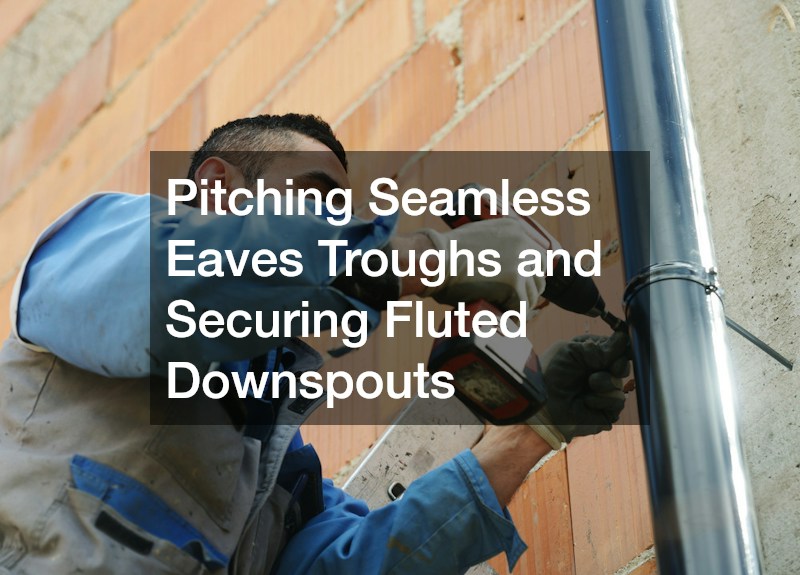
A home’s overhead drainage configuration collects thousands of gallons of stormwater cascading off steep roof planes during heavy cloudbursts, channeling water away from foundation perimeters. When gutter runs loosen, develop reverse slopes, or pull away from wooden fascia boards, water overflows down exterior siding rather than entering vertical downspout drops. Trapped standing water inside unpitched gutters quickly rots wooden eaves, damages attic soffit vents, and spills sheets of water directly against foundation walls. Over time, unchecked gutter overflow saturates surrounding soils, driving hydrostatic moisture directly into basement walls and eroding landscape grade beds.
Upgrading to durable, continuous drainage channels requires exact measurement, heavy-gauge aluminum stock, and secure fascia fastening. Working with reputable gutter companies ensures that custom seamless aluminum or copper channels are roll-formed on-site to match the exact exterior dimensions of the home. Technicians pitch runs accurately using digital levels, ensuring continuous downward gradients toward vertical drainage points without unsightly sagging. Securing troughs with heavy-duty hidden screw hangers driven into solid rafter tails, paired with oversized downspout drops and subterranean drainage conduits, safely routes stormwater away from foundation perimeters.
Resurfacing Deteriorated Plaster Basins and Retiling Waterlines
Residential inground swimming pools serve as standout outdoor recreational features, but continuous immersion in chlorinated water and exposure to freeze-thaw cycles causes steady material deterioration. Over years of use, pool plaster surfaces lose hydration, developing rough etching, delamination bubbles, and sharp calcium nodules that snag swimwear and scrape swimmers’ feet. Along the pool waterline, shifting ground pressure and mineral crystallization crack perimeter porcelain tiles and degrade underlying grout joints. If water breaches cracked perimeter tile bands, it penetrates behind the concrete shell, leading to freeze-thaw spalling that threatens the structural basin and leaks subsurface water.
Restoring an aging aquatic basin requires specialized abrasive blasting, tile setting, and pneumatic plaster application. Partnering with a skilled pool remodeling contractor ensures that deteriorated plaster layers are chipped away down to the underlying gunite shell before applying high-adhesion bond coats. Technicians install frost-proof porcelain or glass waterline tiles set with waterproof epoxy mortars to resist chemical degradation. Installers then apply smooth quartz-aggregate or pebble-infused plaster finishes, hand-troweling the material to a dense, watertight finish before initiating a controlled water-fill and chemical balancing sequence that guarantees long-lasting durability.
Regrading Turf Slopes and Laying Organic Mulch Beds
The exterior landscape surrounding a home serves as an essential functional buffer that regulates ground moisture, reduces soil erosion, and protects structural foundations. Over time, settling backfill, heavy pedestrian traffic, and seasonal rainwater runoff erode surface slopes, creating negative grades that funnel water toward basement walls rather than away from them. Furthermore, exposed, unmulched soil beds dry out quickly under intense sun, crack open, and erode during torrential rains. When topsoil washes away, exposed tree roots become vulnerable to mechanical injury and shrubs struggle to retain moisture, diminishing the resilience of the surrounding property.
Re-establishing functional yard drainage and healthy plant beds requires careful earthmoving, proper grading, and seasonal organic enrichment. Scheduling an experienced landscaping service allows technicians to evaluate topography and regrade surface contours, creating a continuous positive slope that sheds surface water safely away from foundation walls. Crews install natural stone retaining borders, edge planting beds, and spread thick layers of aged hardwood mulch to suppress weed germination, regulate root temperatures, and retain vital moisture. Planting native, drought-tolerant perennials and establishing proper turf grades enhances curb appeal while defending topsoil and foundations against water damage.
Straightening Aluminum Condenser Fins and Flushing Clogged Drainage Lines
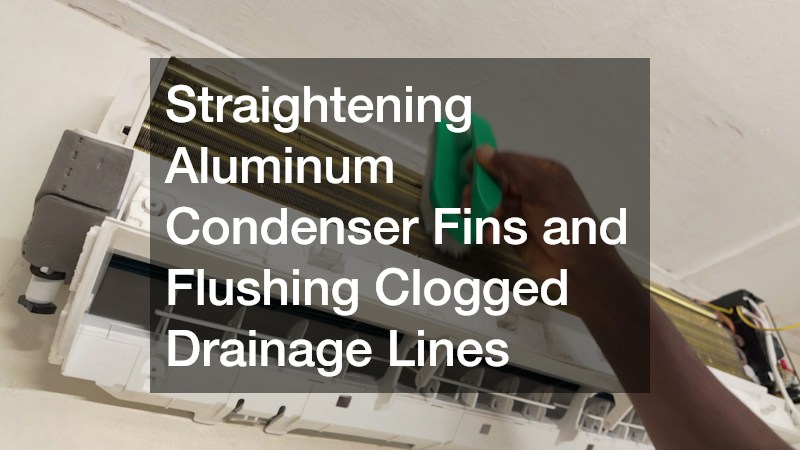
During sweltering summer months, central cooling systems work continuously to remove heat and humidity from indoor living areas, maintaining safe and comfortable indoor conditions. The outdoor condenser unit relies on delicate aluminum fins and copper tubing to vent extracted indoor heat into the outdoor air. Over time, wind-blown yard debris, hail impacts, and lawn equipment bend these thin fins flat, choking off airflow across the cooling coil and driving up compressor operating pressures. At the same time, indoors, dust and algae build up in the dark, humid evaporator pan, eventually clogging narrow condensate lines and causing wastewater to overflow into ceiling drywall.
Restoring cooling performance and preventing expensive compressor breakdowns demands targeted mechanical tune-ups and diagnostic servicing. Calling an established ac contractor ensures that bent condenser fins are carefully aligned using specialized fin-straightening combs to restore proper heat rejection. Mechanical technicians clear out blocked condensate drainage conduits using pressurized nitrogen bursts, treat drain pans with slow-dissolving antimicrobial tablets, and inspect copper line sets for refrigerant leaks. Testing electrical capacitors, calibrating thermostat controls, and optimizing operating pressures restores cooling capacity, cuts monthly electric bills, and keeps indoor rooms comfortably cool throughout summer.
Preserving the structural durability, daily comfort, and market value of a residence requires an integrated maintenance strategy that unites interior living spaces with exterior building defenses. From refinishing worn wood flooring and repairing damaged timber boards to injecting targeted pest controls, relining pool plaster basins, and tuning central cooling systems, each targeted project protects structural framing and improves daily life. Concurrently, sealing basement foundation cracks, securing boundary fencing, removing hazardous yard trees, installing seamless eaves troughs, and regrading landscape beds shields the property against water damage, structural rot, and utility breakdowns.
Transitioning from stressful emergency repairs to a planned, preventative maintenance schedule saves property owners money and prevents minor component wear from turning into severe structural damage. By learning to identify early warning signs of mechanical wear, scheduling regular seasonal checkups, and working with licensed trade craftspeople for technical updates, homeowners can safeguard their investment. Approaching property defense and indoor remodeling with careful planning and quality craftsmanship ensures that your residence remains secure, comfortable, and energy-efficient through every season.