Roofs are a critical component of any building, serving as the first line of defense against the elements. Regular maintenance and timely repairs are essential to prevent minor issues from becoming costly problems. Recognizing the signs that suggest your roof may need repairs can save you significant time and money in the long run. By keeping an eye on the health of your roof, you can ensure the safety and comfort of your home or business.
What Are Common Signs Indicating the Need for Roof Repairs?
One of the most apparent signs that your roof requires repairs is the presence of leaks or water stains on your ceilings and walls. When moisture seeps into your home, it not only damages interior surfaces but can also lead to mold and mildew, posing health risks to occupants.
If you notice discoloration or sagging, it’s time to investigate your roof for potential leaks or cracks, especially around chimneys, skylights, and vents where water can easily infiltrate.
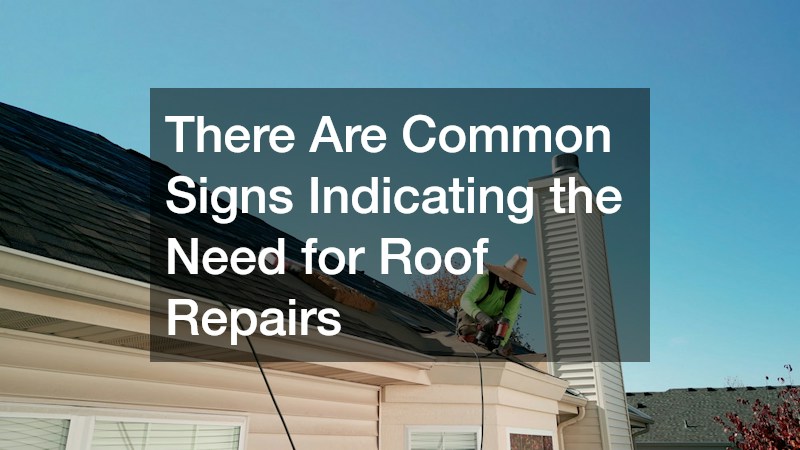
Another indicator that your roof may need attention is the deterioration of shingles or tiles. Missing, cracked, or curling shingles are a clear sign that your roof is past its prime. Harsh weather conditions and age can cause roofing materials to degrade, making them less effective at protecting your home. If left unchecked, damaged shingles can lead to more severe problems such as structural rot and pest infestations.
Additionally, an increase in energy bills could be a subtle hint that your roof is compromised. A well-maintained roof acts as an insulator, helping to regulate the temperature inside your home. However, if your roof is damaged, it could be allowing heat or cool air to escape, forcing your HVAC system to work overtime. By inspecting your attic and looking for gaps or poor insulation, you can identify potential issues that might necessitate repairs.
What Are the Risks of Ignoring Roof Damage?
Overlooking roof damage can lead to a cascade of problems, starting with structural deterioration. Once water begins to infiltrate your roof, it can weaken wooden beams and other structural elements, compromising the integrity of your entire building. Over time, this can lead to sagging or even collapse, necessitating extensive, costly repairs or replacement.
Another risk of ignoring roof damage is the potential harm to your home’s interior. Leaks can cause water to pool, leading to damage to walls, ceilings, and floors. Moreover, water exposure can ruin furniture and personal belongings, potentially causing irreparable damage. The presence of water also invites mold and mildew, which can pose serious health risks and require professional remediation.
A less obvious, but equally significant, consequence of neglected roof damage is the possible decrease in your property’s value. A roof in disrepair can deter potential buyers or lower appraisal values should you decide to sell your home. Prospective buyers may see a damaged roof as a sign of overall neglect, leading them to question the condition of other home systems. Regular maintenance and timely repairs can help maintain your home’s market value and appeal.
How Often Should You Inspect Your Roof?
Routine roof inspections are crucial in identifying potential issues before they become severe. Experts recommend inspecting your roof at least twice a year, typically in the spring and fall, to catch any damage that may have occurred over the winter or summer months. During these inspections, look for issues such as loose or missing shingles, rusting or damaged flashing, and any signs of wear on the roofing material.
In addition to semi-annual inspections, you should also perform checks after significant weather events. Storms involving high winds, hail, or heavy rain can inflict sudden damage to your roof, necessitating prompt action. By inspecting your roof after such events, you can detect problems early and arrange for repairs before they escalate.
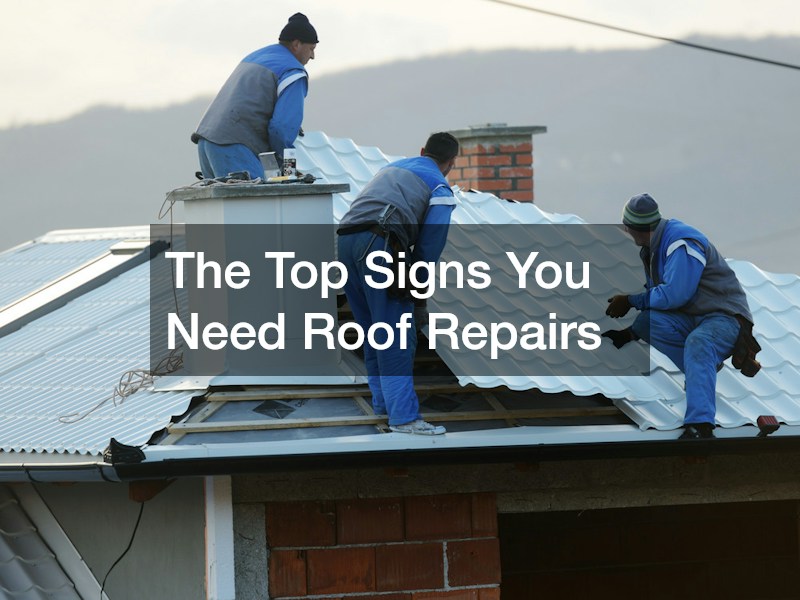
Finally, consider hiring a professional roofing contractor to conduct a thorough inspection. They possess the expertise to identify issues that homeowners might overlook. A professional assessment can offer peace of mind, ensuring that all aspects of your roof are in good condition. Moreover, professionals can provide maintenance tips and recommend solutions tailored to your specific roofing needs.
What Are the Costs Involved in Roof Repairs?
The cost of roof repairs can vary significantly depending on factors such as the extent of damage, the type of roofing material, and the complexity of the repairs needed. Minor repairs, such as replacing a few shingles or fixing small leaks, might cost a few hundred dollars. However, more extensive repairs involving structural elements can easily cost several thousand dollars.
Roofing material can also influence the repair costs. Asphalt shingles are typically the least expensive to replace, whereas materials like slate, tile, or metal can be more costly. Additionally, the availability of materials and the specific techniques required for your roof type can affect the overall expense.
To get an accurate estimate, it’s advisable to obtain quotes from several reputable roofing contractors. This will give you a better idea of the market rate and help you select a contractor who offers a fair price and quality service. Remember, investing in timely repairs can ultimately save you money by preventing more significant damage down the line.
What Are Some Long-term Prevention Tips?
Implementing preventative measures can help extend the lifespan of your roof and reduce the frequency of repairs. Regular cleaning of gutters and downspouts is vital, as clogged drainage systems can lead to water buildup and roof damage. Additionally, trimming overhanging branches can prevent limbs from falling and damaging shingles during storms.
Installing a quality attic ventilation system can also enhance your roof’s durability. Proper ventilation reduces moisture levels and regulates temperature, preventing issues like ice dams and heat-related damage to roofing materials. By maintaining consistent airflow in your attic, you can help preserve the structural integrity of your roof.
Finally, consider investing in weather-resistant roofing materials. Modern roofing solutions offer improved durability and can withstand harsh weather conditions more effectively. By selecting high-quality materials during the installation or replacement of your roof, you can minimize potential repairs and ensure the long-term health of your roof.
In conclusion, the early identification of roof issues can prevent minor problems from turning into significant repairs. By paying attention to signs such as leaks, damaged shingles, and increased energy bills, you can address issues before they escalate. Regular inspections and proactive maintenance are key to extending the life of your roof and protecting your investment, ensuring your home remains safe and comfortable for years to come.