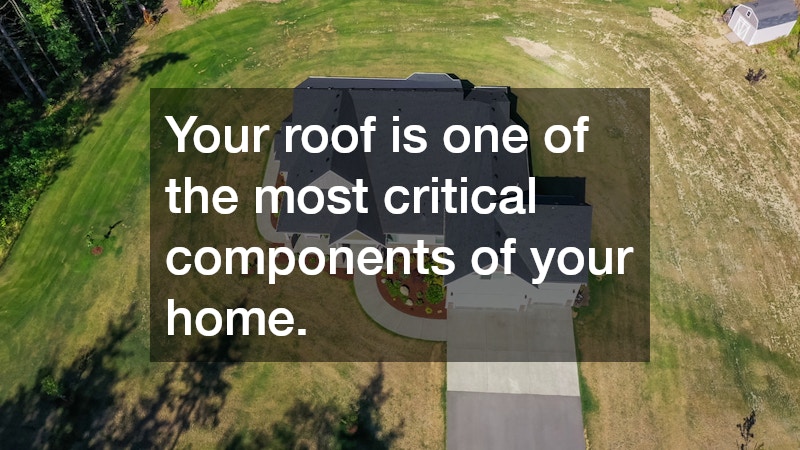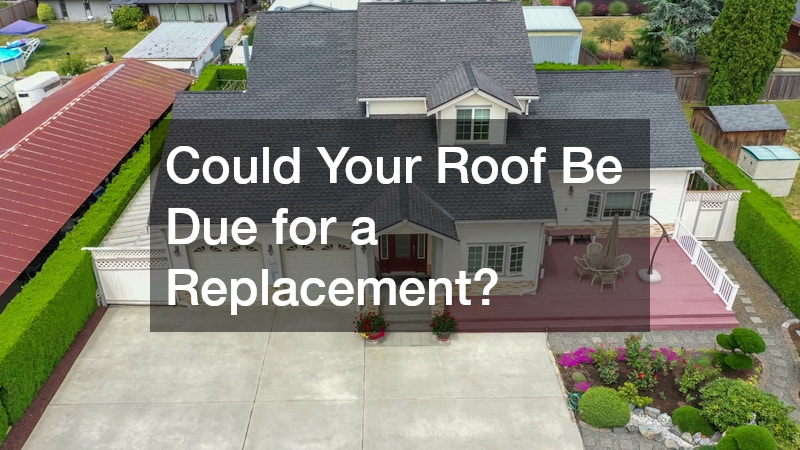
Your roof is one of the most critical components of your home, providing protection from the elements and contributing to energy efficiency and curb appeal. Over time, however, even the sturdiest roofs can wear down, leaving homeowners to ask: Is it time for a replacement? Understanding the signs of roof deterioration, selecting the right materials, and knowing the replacement process are essential for making informed decisions about your home.
What Are the Signs That Indicate Your Roof Needs Replacement?
Identifying the need for a roof replacement begins with recognizing the common indicators of damage or aging. Paying attention to these signs early can save you from costly repairs and potential damage to your home’s interior.
Visible wear and tear is often the most obvious clue that your roof may need attention. Missing, cracked, or curling shingles are a clear warning that the roof is no longer providing adequate protection.
Leaks, water stains on ceilings, or damp spots in the attic are signs that water is infiltrating your home, which can lead to structural damage, mold growth, and even electrical hazards. A qualified residential roofing service can inspect these issues and determine whether repair or a full replacement is the best course of action.
Roofs have a finite lifespan. Asphalt shingles typically last 20–25 years, while metal or tile roofs may last 40 years or more. If your roof is approaching or exceeding its expected lifespan, it’s wise to consider replacement, even if visible damage is minimal. Aging roofs are more prone to leaks and may not meet current building codes or energy efficiency standards. A trusted residential roofer can assess whether your roof’s age is affecting its performance.
An old or damaged roof can compromise your home’s insulation, causing heating and cooling systems to work harder. This inefficiency can lead to higher energy bills and a less comfortable living environment. Upgrading to a modern roof with improved materials can help regulate indoor temperature and enhance overall energy efficiency, providing long-term savings.
How to Choose the Right Roofing Material for Replacement
Once you’ve determined that a roof replacement is necessary, selecting the proper materials is crucial for durability, aesthetics, and budget.
Various materials are used in residential roofing, each with unique benefits. Asphalt shingles are popular for their affordability and ease of installation. Metal roofs offer longevity and resistance to severe weather. Slate and tile are durable and visually appealing but come with higher costs and require structural considerations. Consulting with a local roofing company can help you identify the material best suited for your home’s climate, style, and performance needs.
Balancing cost with durability is key. Asphalt shingles are generally the most budget-friendly option, while metal, tile, and slate provide long-term value due to their extended lifespan. A professional assessment by roofing companies can help weigh upfront costs against maintenance requirements and expected longevity to determine the most cost-effective solution.
Your roof should complement the overall architecture and style of your home. Color, texture, and material choice all influence curb appeal. A well-selected roof can enhance your home’s appearance and even increase its resale value. Experienced residential roofing services can guide homeowners in making choices that harmonize function and aesthetics.
What Is the Process of Roof Replacement and How Long Does It Take?
Understanding the steps of a residential roof replacement helps homeowners prepare for the project and know what to expect.
A professional residential roofer begins with a thorough inspection of your current roof, identifying damaged areas, structural issues, and material needs. This assessment informs a detailed plan, including timelines, costs, and any necessary permits. Planning ensures the replacement is completed efficiently and safely.
The replacement process starts with removing the old roofing materials. Debris is cleared, and the roof deck is inspected for damage. New underlayment and shingles or other chosen materials are then installed with precision. The installation phase can take anywhere from a few days to a week, depending on roof size, material complexity, and weather conditions.
After installation, the crew conducts a final inspection to ensure everything meets quality standards. Debris is removed, and gutters, vents, and other roof components are checked for proper function. Many homeowners find that hiring a residential roofing service guarantees that cleanup and final inspections are included, leaving the property in pristine condition.
A roof is more than just a protective layer—it’s a long-term investment in your home’s safety, efficiency, and curb appeal. Recognizing the signs of wear, choosing the right materials, and understanding the replacement process can help homeowners make informed decisions about residential roof replacement. Working with experienced residential roofing, including a trusted local roofing company, ensures that your home receives professional installation and lasting protection. By acting promptly, you safeguard your home from damage, improve energy efficiency, and maintain both comfort and property value for years to come.