

Curb appeal is far more than a simple aesthetic preference; it is a critical component of your property’s overall market value and long-term equity. When prospective buyers, real estate appraisers, or even casual passersby view a home, the exterior serves as an immediate indicator of how well the entire property has been maintained. A well-kept facade conveys confidence, suggesting that the underlying structure is sound, energy-efficient, and free from hidden water damage or structural neglect. Conversely, peeling paint, sagging drainage channels, or worn shingle layers can immediately lower perceived value, prompting buyers to lower their offers or request heavy concessions during negotiations.
Potential buyers form a firm impression of a home within the first few seconds of pulling up to the curb. Beyond initial visual appeal, modern homeowners and homebuyers look closely at functional integrity, weather resilience, and energy performance. With rising energy costs and increasingly severe weather patterns across many regions, buyers are more educated than ever. They recognize that a house requiring immediate, major repairs represents significant future expenditure and risk. Investing in high-quality exterior upgrades protects your structural investment, enhances energy efficiency, and delivers a strong return on investment (ROI) by substantially boosting total property value.
Protecting Your Equity Through Curb Appeal
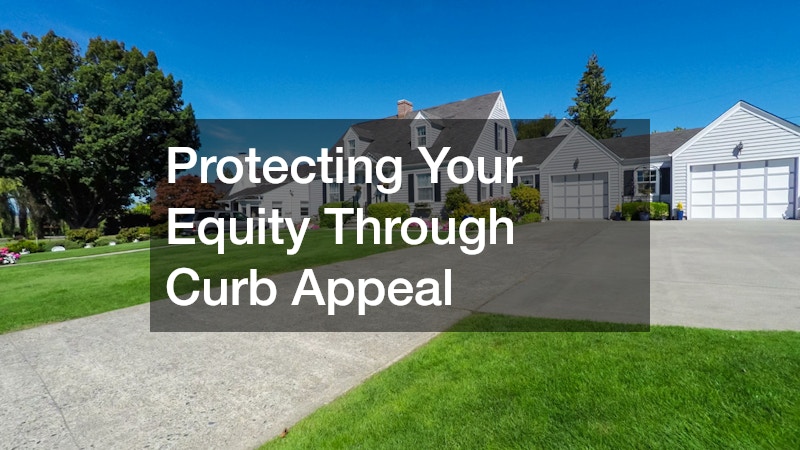
The visual state of your property sets the baseline for its financial valuation. Appraisers evaluate a property based on comparable sales in the area, but they also apply adjustments for overall condition and quality of finishes. High curb appeal directly correlates with higher appraisals because it reduces the buyer’s anticipated cost of immediate maintenance. When a home presents a cohesive, pristine exterior, it attracts more competitive bidding, often driving the final sale price well above the average market rate for similar square footage. Protecting your equity begins with taking an objective look at how your property currently stands up to the elements and buyer scrutiny.
Before launching into large-scale cosmetic upgrades, homeowners should conduct a comprehensive audit of their property’s overall exterior performance. Cosmetic enhancements like fresh paint or updated front landscaping will offer diminishing returns if the underlying protective shell is compromised. Evaluating the building envelope requires looking past surface-level dirt to examine structural joints, trim boards, sealants, and the overarching condition of the roofing system. Identifying minor issues early prevents them from escalating into full-scale structural failures that drag down home valuation.
A proactive home maintenance strategy starts with routine inspections conducted twice a year, ideally during spring and autumn. Walk the perimeter of your house with a keen eye, inspecting every surface from the ground up to the roofline. Look for telltale signs of distress such as cracked caulking, blistering paint, warping panels, or dark streak lines along exterior walls that indicate water misdirection. Check around window frames and door casings for soft wood or gaps that allow air infiltration. Taking detailed notes and photos during these seasonal walk-arounds creates an ongoing record of your home’s condition, making it much easier to spot changes over time.
While a DIY walk-around is an excellent baseline, severe or complex issues require expert eyes. Scheduling professional roof inspections ensures that subtle issues—such as failing flashing around chimneys, granular loss on shingles, or hidden wood rot—are identified before they manifest as costly interior leaks. A qualified roof specialist can access difficult-to-reach areas safely, evaluate attic ventilation efficiency, and provide a detailed assessment of remaining surface life, giving you the exact data needed to prioritize future renovation budgets effectively.
Strategic Solutions for Maximum Integrity
The roof is your home’s first line of defense against the elements, making it one of the most significant determinants of structural value. A secure, modern roofing system protects every square foot of the living space beneath it from water damage, mold growth, and structural decay. From a financial perspective, a newly updated or well-maintained roof is a major selling point that offers one of the highest returns on investment among all home improvement projects. Beyond increasing raw resale value, a top-tier roofing system can lower home insurance premiums and provide buyers with the peace of mind needed to close deals quickly without demands for major price reductions.
Selecting the right materials for a roofing project is critical to maximizing both longevity and curb appeal. Today’s market offers a wide variety of advanced materials engineered for extreme durability, ranging from heavy-duty architectural asphalt shingles to standing-seam metal panels, slate, and synthetic composites. Selecting high-performance materials tailored to your specific regional climate ensures maximum weather resistance against hail, high winds, heavy snow, and UV degradation. Investing in high-quality materials not only elevates the visual texture of your home but also ensures that the installation will maintain its integrity and protective qualities for decades to come.
When a roofing system nears the end of its functional life—typically between 15 and 20 years for standard asphalt—continuing to perform piecemeal repairs becomes a exercise in diminishing returns. Widespread material fatigue means leaks will inevitably develop in new areas, risking structural framing and insulation. Planning a full replacement before catastrophic failure occurs allows you to control costs, select optimal weather conditions for installation, and upgrade underlying components like water ice shields and ridge vents, effectively neutralizing future moisture risks before they damage your home’s equity.
Executing large-scale updates requires working with skilled contractors who understand local building codes and modern building science. Comprehensive roof replacements involve stripping away old layers down to the bare decking to inspect for hidden rot or structural weakness, replacing compromised plywood, and installing high-performance underlayment. Partnering with established, fully insured roofing services guarantees that the complex system of flashing, ridge vents, and drip edges is installed correctly to manufacturer specifications, securing valuable material and workmanship warranties that transfer seamlessly to future home buyers.
Specialized Re-Roofing Techniques for Longevity
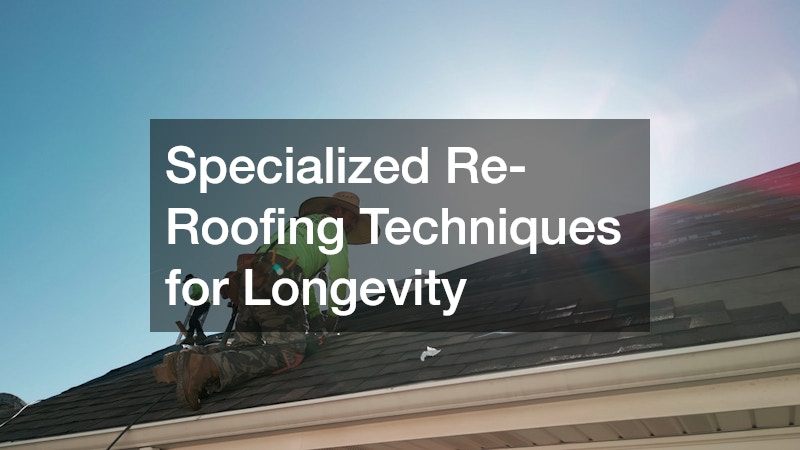
There are scenarios where a complete tear-off of an existing roof is not immediately necessary or budget-appropriate, yet substantial protective measures are still required. In cases where the structural decking is entirely sound, dry, and flat, applying specialized techniques can extend the life of the shelter while adding financial value. Understanding the specific structural criteria and local code limits for adding new protective layers allows homeowners to optimize their capital layout without compromising on weather resistance or architectural appearance.
Protecting the building envelope requires a relentless focus on detailing, regardless of the overarching installation method used. The most vulnerable points of any roof are where surfaces meet—valleys, dormers, skylights, and plumbing vents. Utilizing modern self-adhering ice and water membranes alongside heavy-gauge metal flashings ensures these critical junctions remain completely watertight. Prioritizing these technical details guards against the insidious, long-term water intrusion that quietly destroys structural framing, rots roof trusses, and ruins interior drywall, preserving the core value of the home.
Ignoring early warning signs of material breakdown is a fast track to compounding financial losses. When shingles begin to curl, lose significant surface granules, or display persistent cracking, their ability to shed water efficiently is severely compromised. Moisture that penetrates the surface layer pools against underlayments, eventually seeping into the roof deck. Upgrading deteriorating surfaces promptly prevents localized water damage from turning into widespread mold issues or structural sagging that can derail home sales or trigger costly emergency remediation.
For roofs that qualify structurally for targeted restoration or secondary application layers, professional reroofing offers an efficient path to renewing the building’s protective layer while reducing labor overhead and waste disposal fees. To ensure long-term durability and maintain full manufacturer warranty coverage, it is essential to hire a reputable residential roofing company that specializes in structural evaluation. Expert installers will confirm that the home’s framing can support the extra weight, apply modern fire-rated and impact-resistant materials, and verify that total system airflow remains fully functional to prevent heat buildup.
Safeguarding Foundation Stability
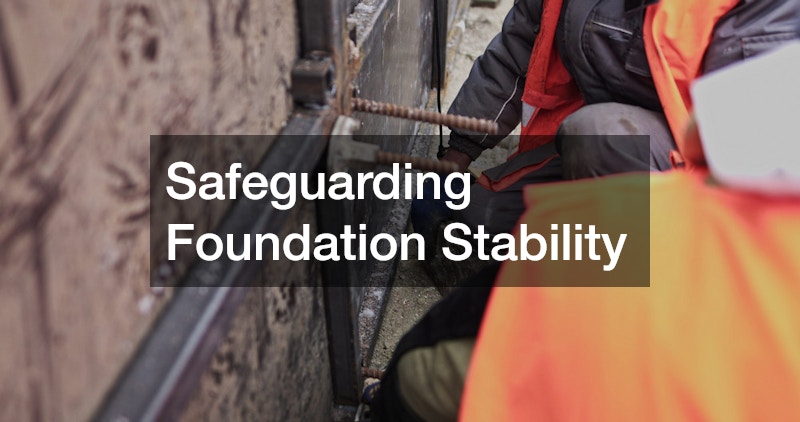
While the roof collects and sheds rainwater, the drainage system is responsible for safely managing that high volume of runoff. An inefficient or damaged gutter setup can cause massive financial harm to a property over time. When rainwater spills directly off the roof edges onto surrounding soil, it collects around the foundation, creating immense hydrostatic pressure. Over time, this pressure leads to foundation cracking, basement flooding, soil erosion, and severe settling issues. Investing in a robust, high-capacity drainage system is one of the most cost-effective ways to protect your home’s foundational equity and avoid structural repair bills that can easily reach tens of thousands of dollars.
Upgrading your home’s water diversion capabilities requires looking at system volume and material quality. Standard residential systems often prove inadequate during intense downpours, leading to water overflowing over the front edges. Upgrading from standard 5-inch channels to high-capacity 6-inch configurations dramatically increases the volume of water the system can handle. Selecting heavy-gauge aluminum, copper, or steel guarantees that the system will not sag, warp, or pull away from the fascia boards under the heavy weight of water, wet leaves, or ice buildup during winter months.
Modernizing your water management setup involves designing a system that seamlessly channels water from roof peaks all the way down to safe discharge zones far removed from the structure. Downspouts should be strategically placed to handle catchment areas efficiently without overwhelming any single run. Furthermore, downspouts must extend several feet away from the foundation or feed directly into underground solid piping systems that direct runoff toward municipal storm drains or dedicated dry wells, permanently eliminating soil erosion near your basement walls.
To achieve maximum reliability and a clean, sleek look, homeowners should replace piecemeal, sectioned vinyl gutters with custom-fitted systems. Engaging professional gutter services ensures that the slope and pitch of every run are calculated precisely to prevent standing water and stagnant debris accumulation. Utilizing heavy-duty, continuous seamless gutters eliminates the seams where traditional sectional systems inevitably fail and leak over time, providing a streamlined, low-maintenance solution that protects both your home’s foundation and its visual appeal.
Building Energy Efficiency and Visual Impact
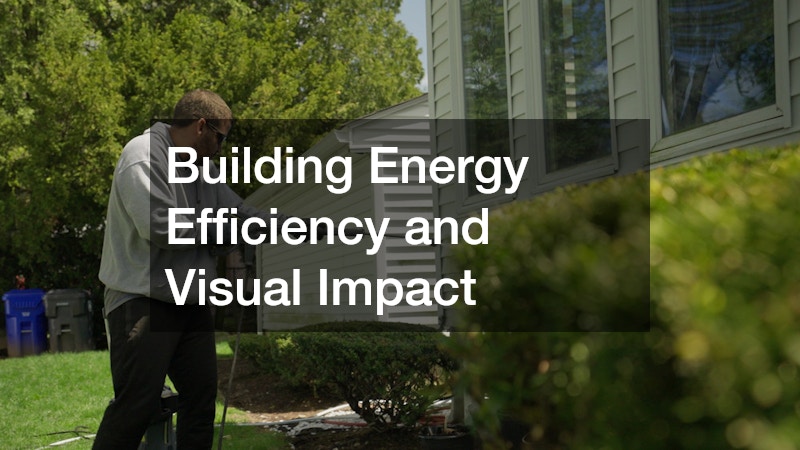
Exterior siding plays a dual role in driving total property value: it forms the dominant visual surface of your home while serving as a primary thermal shield against heat loss and air infiltration. Old, cracked, or faded siding immediately dates a home, signaling to potential buyers that the property may be energy-inefficient or poorly maintained. Replacing outdated cladding with modern, high-performance materials instantly transforms the architectural aesthetic of the house while creating a tight thermal envelope that slashes monthly heating and cooling bills—a major selling point in today’s eco-conscious real estate market.
When evaluating siding options, homeowners should focus on materials that offer an ideal balance of visual style, durability, low maintenance overhead, and thermal resistance (R-value). Advanced insulated vinyl, fiber cement siding, and engineered wood offer extraordinary resistance to rot, insect damage, fire, and extreme impact, keeping your home looking pristine for decades without requiring constant repainting or sealing. The long-term return on investment for high-grade siding upgrades is consistently ranked among the highest of any remodeling project, making it a cornerstone strategy for building long-term property equity.
Upgrading your home’s exterior cladding offers a rare opportunity to significantly improve its overall energy performance. When old siding is stripped away, contractors gain access to the exterior wall sheathing, allowing them to seal air gaps, repair compromised framing, and install modern weather-resistive barriers. Adding a continuous layer of rigid foam insulation beneath new siding eliminates thermal bridging—the transfer of heat through structural wooden studs—keeping your living spaces dramatically more comfortable year-round while substantially reducing heating and cooling loads on HVAC equipment.
Executing a complete exterior wall transformation requires precise craftsmanship and material expertise. Homeowners planning major siding replacements must ensure that all window and door flashings are meticulously integrated into the new weather barrier to create a completely weather-tight building shell. Partnering with contractors who specialize in comprehensive siding services guarantees that every panel is hung with correct thermal expansion allowances, trim corners are cleanly joined, and ventilation channels are preserved, delivering a flawless finish that withstands extreme weather while maximizing market valuation.
Sustaining Long-Term Value Through Exterior Investments
Synchronizing updates across your roof, siding, and drainage systems produces a protective shell that preserves structural equity, lowers utility overhead, and delivers maximum market performance. Each component relies on the others: a high-performing roof requires efficient drainage to clear water safely, while modern siding protects wall cavities from the splashback of poorly managed roof runoff. When these elements work together seamlessly, they create a durable, highly efficient home that demands minimal ongoing maintenance—a quality that modern real estate buyers consistently reward with premium offers.
Exterior home renovations offer a unique dual benefit that few other investments can match. In the short term, high-quality upgrades enhance your daily quality of life by improving curb appeal, eliminating drafty interior rooms, lowering monthly energy expenses, and providing peace of mind during severe weather events. In the long term, these improvements build substantial financial equity, ensuring that when it comes time to list your property on the market, your home stands out as a premium, low-risk asset capable of commanding top dollar.
To maximize the return on your renovation capital, take a strategic approach to your property’s exterior health today. Audit your home’s protective systems, prioritize projects that address both structural vulnerability and visual appeal, and partner with certified, insured home improvement professionals. Drafting a comprehensive, phased renovation plan now guarantees that every dollar spent actively protects your family, lowers your operating costs, and builds lasting total property value for years to come.