Why Smarter Roof Design Matters More Than Ever
Energy costs continue to rise across the country, and homeowners are looking for practical ways to reduce monthly utility bills without sacrificing comfort. While windows, insulation, and HVAC systems often get most of the attention, the roof plays a major role in how efficiently a home handles heat and airflow throughout the year. A poorly performing roof can trap heat during the summer, allow warm air to escape during the winter, and force heating and cooling systems to work harder than necessary.
Modern roof upgrades are no longer focused only on appearance or weather protection. Many homeowners now approach roofing projects as long-term energy investments that can improve indoor temperatures, reduce strain on ventilation systems, and support better moisture control. Small improvements such as upgraded ventilation or reflective materials can make a noticeable difference, while larger projects may create lasting efficiency gains for decades.
The most effective upgrades are usually the result of planning rather than impulse decisions. Choosing the right materials, understanding climate demands, and improving airflow throughout the attic all contribute to better overall performance. Homeowners who understand how these systems work together are often better prepared to make informed decisions before problems become expensive.
Start With a Full Evaluation Before Making Changes
Before planning any major upgrade, homeowners should first understand the current condition of the roof. Many energy-efficiency problems begin with issues that are difficult to notice from the ground. Moisture intrusion, cracked flashing, worn underlayment, and blocked ventilation pathways can quietly reduce efficiency long before visible leaks appear inside the home.
A professional roofing contractor can identify weak points that affect indoor temperature control and long-term roof performance. In many cases, older roofs lose efficiency gradually as materials age and airflow becomes restricted. Homeowners may notice higher cooling bills, uneven room temperatures, or excessive attic heat without realizing the roof is contributing to the problem.
Addressing smaller roof repair concerns early can also prevent larger structural issues later. Missing shingles, deteriorating seals, and damaged flashing allow outside air and moisture to enter areas that should remain insulated and protected. Once moisture becomes trapped beneath roofing materials, insulation performance may decline significantly.
A thorough inspection should also include attic airflow, insulation placement, and drainage performance. Water that fails to move away from the roof properly can increase humidity levels and accelerate material deterioration. By identifying these concerns early, homeowners can prioritize upgrades that improve both energy efficiency and long-term durability.
Select Materials That Reflect Heat Instead of Absorbing It

Roofing materials have a major impact on how much heat enters the home during warmer months. Traditional darker materials absorb sunlight and transfer heat directly into attic spaces, causing cooling systems to work harder throughout the day. Newer reflective roofing products are designed to reduce heat absorption and help maintain more stable indoor temperatures.
Many homeowners upgrading residential roofing systems are now choosing lighter-colored shingles or reflective coatings that improve thermal performance. These products are especially useful in regions with long summers and intense sun exposure. Even small reductions in attic temperatures can contribute to lower energy use over time.
Modern asphalt roofing products have also improved significantly compared to older versions. Some manufacturers now produce shingles with reflective granules designed to bounce solar heat away from the roof surface. These materials provide a familiar appearance while offering better efficiency than traditional dark shingles.
Homeowners should also think beyond appearance when selecting roofing materials. Durability, local climate conditions, maintenance requirements, and ventilation compatibility all influence long-term performance. Materials that work well in humid coastal regions may not provide the same results in dry or high-wind environments.
Combining reflective roofing materials with improved attic ventilation often produces better results than focusing on only one upgrade. The roof system functions as a complete structure, and each component contributes to temperature regulation throughout the home.
Improve Airflow To Reduce Indoor Heat Retention
Attic ventilation plays a critical role in energy efficiency, yet it is frequently overlooked during home improvement projects. Without proper airflow, heat becomes trapped beneath the roof and gradually spreads into living spaces below. This forces air conditioning systems to run longer and increases overall energy consumption.
Many homeowners discover ventilation problems only after scheduling a roofing service for unrelated repairs or maintenance. During inspections, contractors often find blocked soffit vents, damaged ridge vents, or airflow imbalances that limit the roof’s ability to release trapped heat.
Balanced ventilation allows cool air to enter through lower intake vents while hot air exits through upper exhaust vents. This continuous airflow helps regulate attic temperatures and reduces moisture buildup during colder months. Homes with poor ventilation often experience hotter upper floors, uneven indoor temperatures, and premature roof aging.
Installing ridge vents, attic fans, or upgraded soffit ventilation can improve airflow significantly. However, ventilation systems should be designed carefully to avoid creating pressure imbalances that reduce effectiveness. Simply adding more vents does not always improve performance if airflow patterns remain restricted.
Homeowners should also inspect attic insulation while evaluating ventilation upgrades. Even well-ventilated attics can lose efficiency if insulation gaps allow heat transfer between the attic and living areas. Proper airflow and insulation work together to maintain stable indoor temperatures throughout the year.
Recognize When an Aging Roof Is Hurting Efficiency
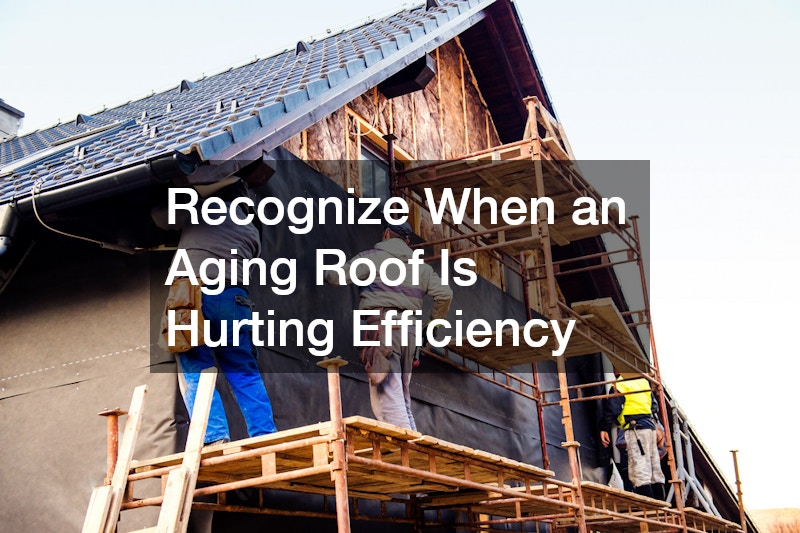
As roofs age, their ability to regulate temperature gradually declines. Shingles lose protective granules, underlayment deteriorates, and ventilation systems may become less effective over time. Homeowners sometimes focus only on visible leaks while overlooking the hidden energy costs associated with aging roofing systems.
In many situations, a full roof replacement becomes more practical than repeated repairs. Constant patchwork fixes may temporarily stop leaks but fail to address declining insulation performance, trapped moisture, or worn structural materials beneath the surface.
Older roofs can also allow unwanted heat transfer that increases both heating and cooling demands. During summer months, deteriorating materials absorb more heat and retain it longer into the evening. In winter, gaps and weakened seals may allow warm indoor air to escape through the attic.
Warning signs often include curling shingles, repeated leaks, rising utility costs, excessive attic heat, or ice dam formation during colder weather. Homeowners may also notice mold growth, damp insulation, or inconsistent indoor temperatures as roof systems continue to deteriorate.
Planning a replacement before major failure occurs gives homeowners more flexibility in choosing materials and scheduling installation work. Waiting until emergency leaks develop often limits available options and increases project stress.
Explore Long-Term Benefits of Tile Roofing Systems

Tile roofing continues to attract homeowners looking for durability and energy performance. Unlike many traditional materials, tile systems naturally create small air gaps beneath the surface that help reduce heat transfer into the home. This added airflow can improve indoor comfort and reduce cooling demands during warmer months.
Experienced tile roofers often recommend these systems for homeowners living in areas with strong sun exposure and long periods of high temperatures. Clay and concrete tiles both provide thermal resistance while offering long service lives when installed properly.
Tile systems also cool more efficiently overnight because they release retained heat faster than some darker roofing materials. This can help reduce evening attic temperatures and lessen overnight cooling demands inside the home.
However, tile roofing requires careful structural planning. These materials are heavier than standard shingles, and some homes may require reinforcement before installation begins. Proper underlayment and ventilation design are also important for maintaining long-term efficiency.
Homeowners comparing roofing materials should consider maintenance needs, local weather patterns, and installation expertise before choosing tile systems. While the upfront cost may be higher, many property owners view tile roofing as a long-term investment that combines durability with improved thermal performance.
Combine Roofing Projects With Renewable Energy Upgrades
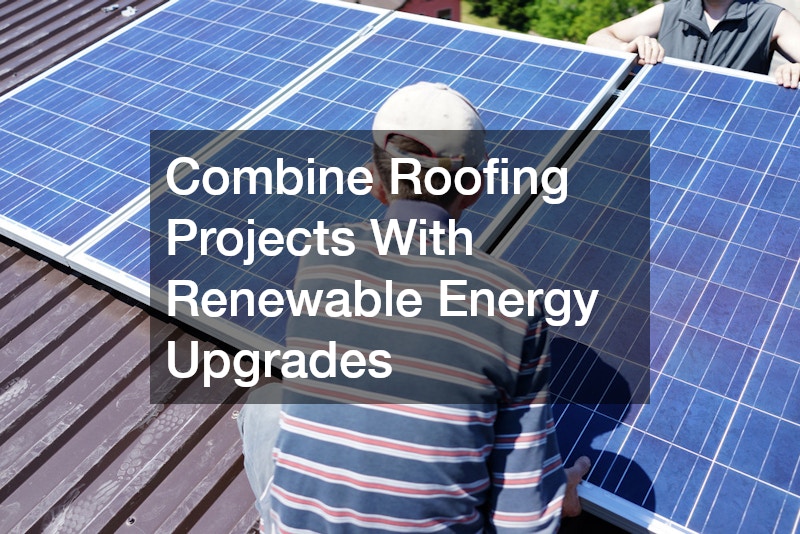
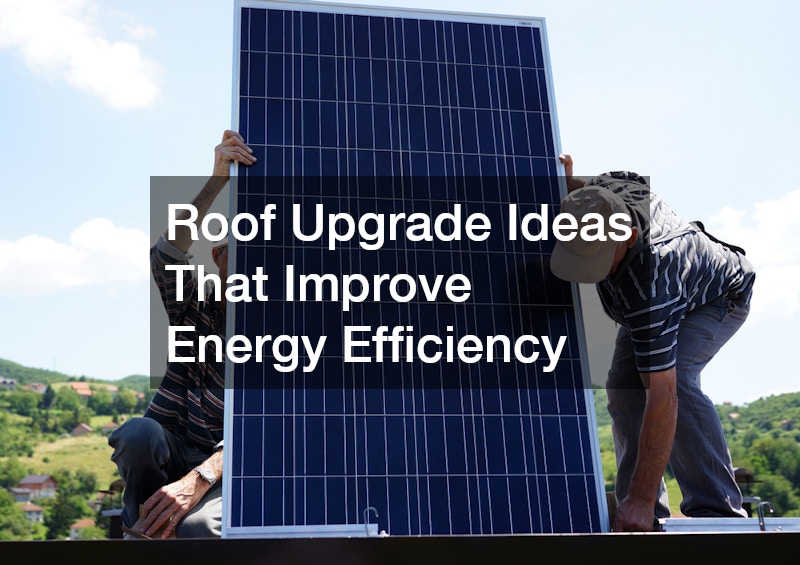
Roof improvements often create an ideal opportunity for homeowners considering renewable energy systems. Installing a solar panel system shortly after major roof work can reduce future labor costs and prevent the need to remove equipment during later roofing repairs.
Roof age and structural condition matter greatly when planning solar projects. Installing solar equipment on an aging roof may create additional complications if replacement becomes necessary a few years later. Many homeowners therefore combine both upgrades into a single long-term improvement plan.
Solar panel systems can help reduce household energy usage by converting sunlight into usable electricity. Homes with strong sun exposure may offset a significant portion of daytime electrical demand depending on panel placement, local weather patterns, and household energy use.
Roof orientation also affects solar performance. South-facing roof sections generally receive the most sunlight throughout the day, though east- and west-facing surfaces may still provide worthwhile energy production. Shade from nearby trees or neighboring buildings should also be evaluated carefully before installation.
Homeowners planning renewable energy upgrades should also consider ventilation and roofing material compatibility. Some roofing systems handle mounting equipment more effectively than others, and proper flashing installation remains critical for moisture protection.
Combining energy-focused roof upgrades with solar planning often helps homeowners maximize long-term savings while improving overall property performance.
Focus on Installation Quality Instead of Short-Term Savings
Even the most efficient roofing materials can underperform if installation quality is poor. Gaps in flashing, improper sealing, uneven ventilation design, or rushed workmanship may reduce efficiency and shorten the lifespan of the roof system.
A proper roof installation involves more than attaching shingles or panels to the surface. Contractors must evaluate airflow, drainage patterns, insulation interaction, and structural stability throughout the process. Small installation mistakes can create hidden moisture issues that gradually weaken energy performance over time.
Homeowners should ask detailed questions before beginning any project. Installation methods, underlayment choices, ventilation strategies, and flashing systems all affect how efficiently the roof will perform after completion.
Weather conditions during installation also matter. Improper sealing during cold or wet conditions can compromise material performance before the roof is fully completed. Experienced contractors typically plan installation schedules carefully to avoid unnecessary exposure to moisture or extreme temperatures.
Documentation and manufacturer warranties should also be reviewed closely. Some roofing products require certified installation practices to maintain warranty coverage. Homeowners who understand these requirements may avoid costly problems later.
Investing in proper workmanship often delivers greater long-term value than choosing the lowest project estimate. Efficient roofing systems rely heavily on precision and attention to detail during every stage of installation.
Compare Contractors Based on Long-Term Planning Experience
Choosing the right roofing company can significantly influence the success of an energy-efficiency upgrade. While pricing is important, homeowners should also evaluate contractor experience, communication quality, and familiarity with modern roofing technologies.
Not every contractor specializes in energy-focused improvements. Some companies may focus primarily on repairs without understanding ventilation balancing, reflective roofing systems, or renewable energy compatibility. Asking detailed questions during consultations can help homeowners identify contractors with broader technical knowledge.
Homeowners should also review licensing, insurance coverage, manufacturer certifications, and local project history before making hiring decisions. Contractors familiar with regional weather conditions are often better prepared to recommend suitable materials and ventilation systems.
A reliable roofing company should provide detailed written estimates explaining labor, materials, ventilation upgrades, underlayment choices, and project timelines. Vague estimates may create confusion later if unexpected charges arise during installation.
Long-term maintenance planning is another important consideration. Homeowners should ask about inspection schedules, warranty coverage, and preventative maintenance recommendations that help preserve efficiency over time.
The best roofing upgrades are usually the result of collaboration between homeowners and experienced professionals who understand how roofing systems influence overall home performance.
Building a More Comfortable and Efficient Home
Energy-efficient roof upgrades can improve much more than utility bills. Better ventilation, reflective materials, proper insulation support, and thoughtful installation practices all contribute to a healthier and more comfortable indoor environment. Homes with efficient roofing systems often maintain more stable temperatures, experience fewer moisture problems, and place less strain on heating and cooling equipment throughout the year.
The most effective improvements usually begin with careful planning rather than rushed decisions. Evaluating the current roof condition, selecting materials suited to local climate conditions, and working with experienced professionals can help homeowners avoid unnecessary expenses later. Even smaller upgrades such as ventilation improvements or targeted repairs may produce noticeable performance gains when completed correctly.
As roofing technology continues evolving, homeowners now have more options than ever for improving long-term efficiency without sacrificing durability or appearance. Whether the goal involves reducing cooling costs, preparing for renewable energy systems, or extending the lifespan of the home, strategic roof upgrades remain one of the most practical investments property owners can make.