Homeowners today are thinking beyond curb appeal. They want homes that are energy-efficient, durable, and better for the environment. One of the most important upgrades you can make is choosing sustainable roofing options.
Your roof protects your home from rain, wind, heat, and cold. It also plays a major role in energy use. A poorly insulated or outdated roof can increase heating and cooling bills. On the other hand, an eco-friendly roofing system can reduce energy costs, lower environmental impact, and even boost property value.
In this guide, we will explore sustainable roofing options in detail. You will learn about materials, benefits, costs, maintenance, and how to choose the best solution for your home.
What Makes a Roof Sustainable?
Before choosing materials, it helps to understand what “sustainable” really means in roofing.
A sustainable roof typically has one or more of the following features:
- Made from recycled or renewable materials
- Designed to last a long time
- Energy-efficient and reflective
- Recyclable at the end of its lifespan
- Helps reduce landfill waste
- Supports better insulation
Sustainability is not just about being “green.” It is also about long-term savings and durability. A roof that lasts 50 years instead of 20 reduces waste and replacement costs.
Why Sustainable Roofing Matters
Roofing materials take up a large amount of space in landfills each year. Traditional asphalt shingles often need replacement every 15–25 years. That means more waste over time.
Choosing sustainable roofing options can:
- Lower energy bills
- Reduce carbon footprint
- Improve indoor comfort
- Increase home value
- Qualify for tax credits or rebates
- Extend roof lifespan
In hot climates especially, reflective roofing materials can significantly reduce cooling costs. In colder climates, proper insulation helps retain heat.
Modern homeowners want upgrades that balance style, performance, and environmental responsibility. Sustainable roofing offers all three.
Metal Roofing: Durable and Recyclable
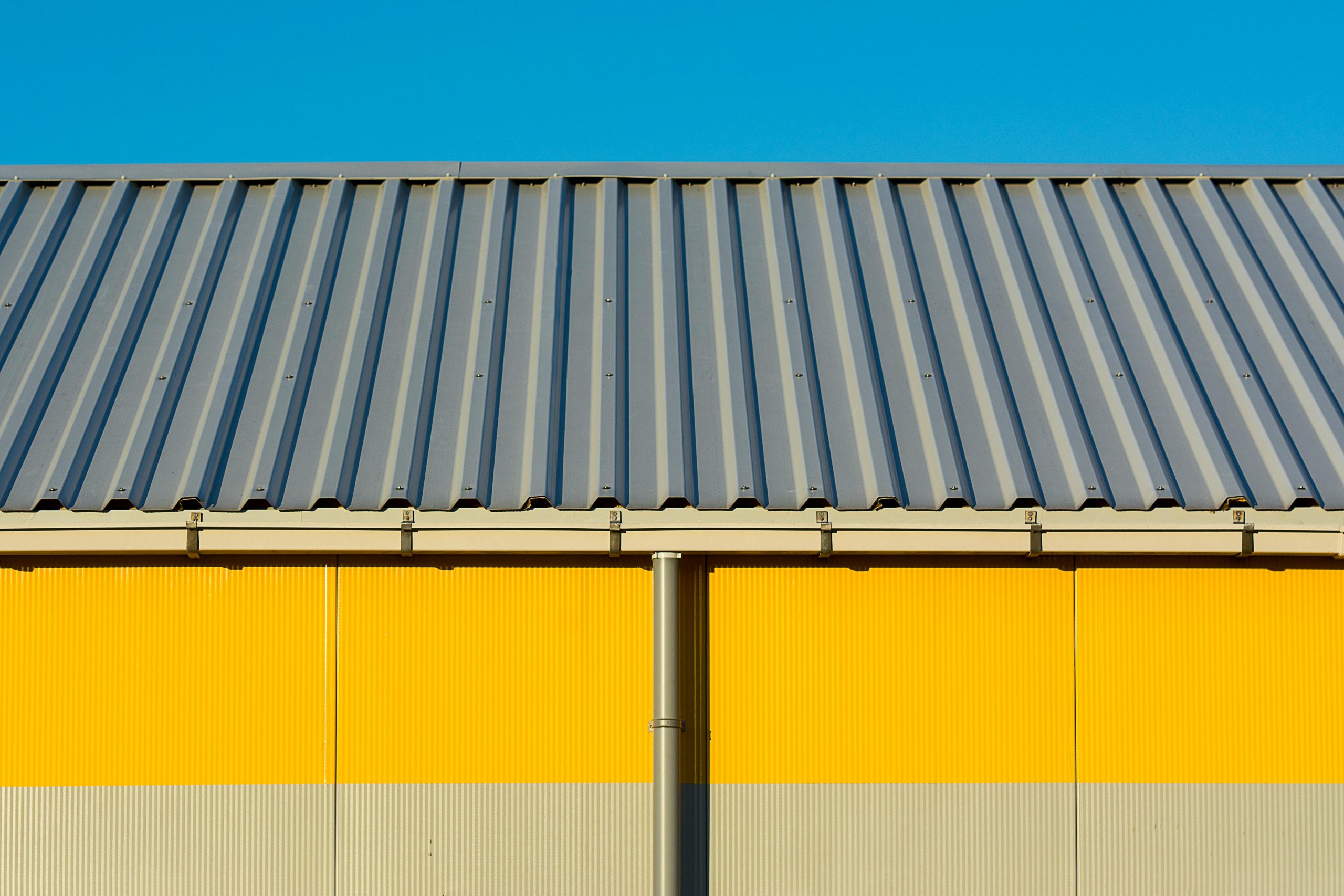
Metal roofing is one of the most popular sustainable roofing options available today.
Metal roofs are often made from recycled materials and are fully recyclable at the end of their life.
Benefits of Metal Roofing
- Lifespan of 40–70 years
- Reflects sunlight, reducing cooling costs
- Lightweight compared to tile or slate
- Fire-resistant
- Low maintenance
Metal roofing comes in various styles, including standing seam panels and metal shingles that mimic traditional roofing materials.
While the upfront cost is higher than asphalt shingles, the long lifespan and energy savings often make it cost-effective over time.
Cool Roofing: Energy-Efficient and Reflective
Cool roofing is designed to reflect more sunlight and absorb less heat than traditional roofing.
These roofs are especially helpful in warm climates.
How Cool Roofs Work
They use special reflective materials or coatings to:
- Reduce roof surface temperature
- Lower indoor cooling needs
- Extend roof lifespan
Cool roofs are available in materials like:
- Reflective shingles
- White membranes
- Coated metal roofing
- Tile roofing with reflective finishes
For homeowners in sunny regions, cool roofing can significantly cut air conditioning costs.
Clay and Concrete Tiles: Natural and Long-Lasting
Clay and concrete tiles are known for durability and natural materials.
These materials can last 50 years or more when properly maintained.
Why Tile Roofing Is Sustainable
- Made from natural materials
- Extremely durable
- Fire-resistant
- Excellent insulation properties
Clay tiles are particularly popular in warm climates because they allow airflow under the tiles, helping keep homes cooler.
The main drawback is weight. Some homes may need additional structural support before installation.
Slate Roofing: Natural and Extremely Durable
Slate is one of the most durable roofing materials available.
It is made from natural stone and can last over 75 years, sometimes even 100 years.
Advantages of Slate Roofing
- Natural and recyclable
- Extremely long lifespan
- Resistant to fire and mold
- Elegant appearance
Slate is more expensive than other materials, but its longevity reduces replacement frequency, making it a sustainable choice long-term.
Recycled Shingles: Reducing Waste
Recycled shingles are made from materials such as:
- Recycled plastic
- Rubber
- Wood fiber
- Reclaimed asphalt
These shingles divert waste from landfills and reduce the need for new raw materials.
They are designed to look like traditional shingles while offering improved durability.
Recycled roofing is a good option for homeowners who want an affordable yet eco-friendly solution.
Green Roofs: Living Roof Systems
Green roofs, also called living roofs, are covered with vegetation.
These systems include layers for waterproofing, drainage, soil, and plants.
Benefits of Green Roofs
- Excellent insulation
- Reduces stormwater runoff
- Improves air quality
- Adds natural beauty
- Reduces urban heat
Green roofs require structural support and proper installation. They are more common in urban settings but can work in residential homes with flat or low-slope roofs.
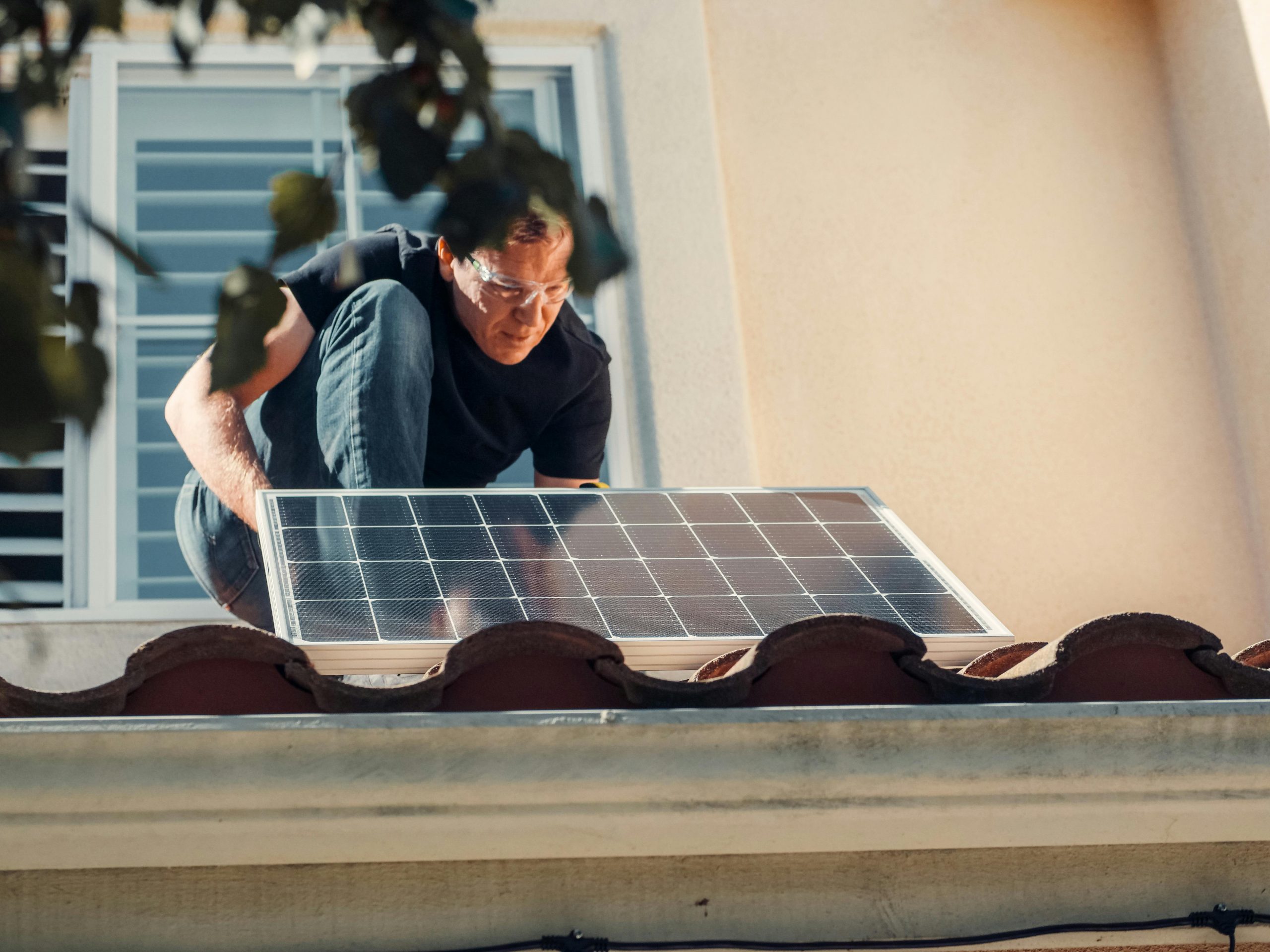
Solar Roofing: Energy-Producing Roofs
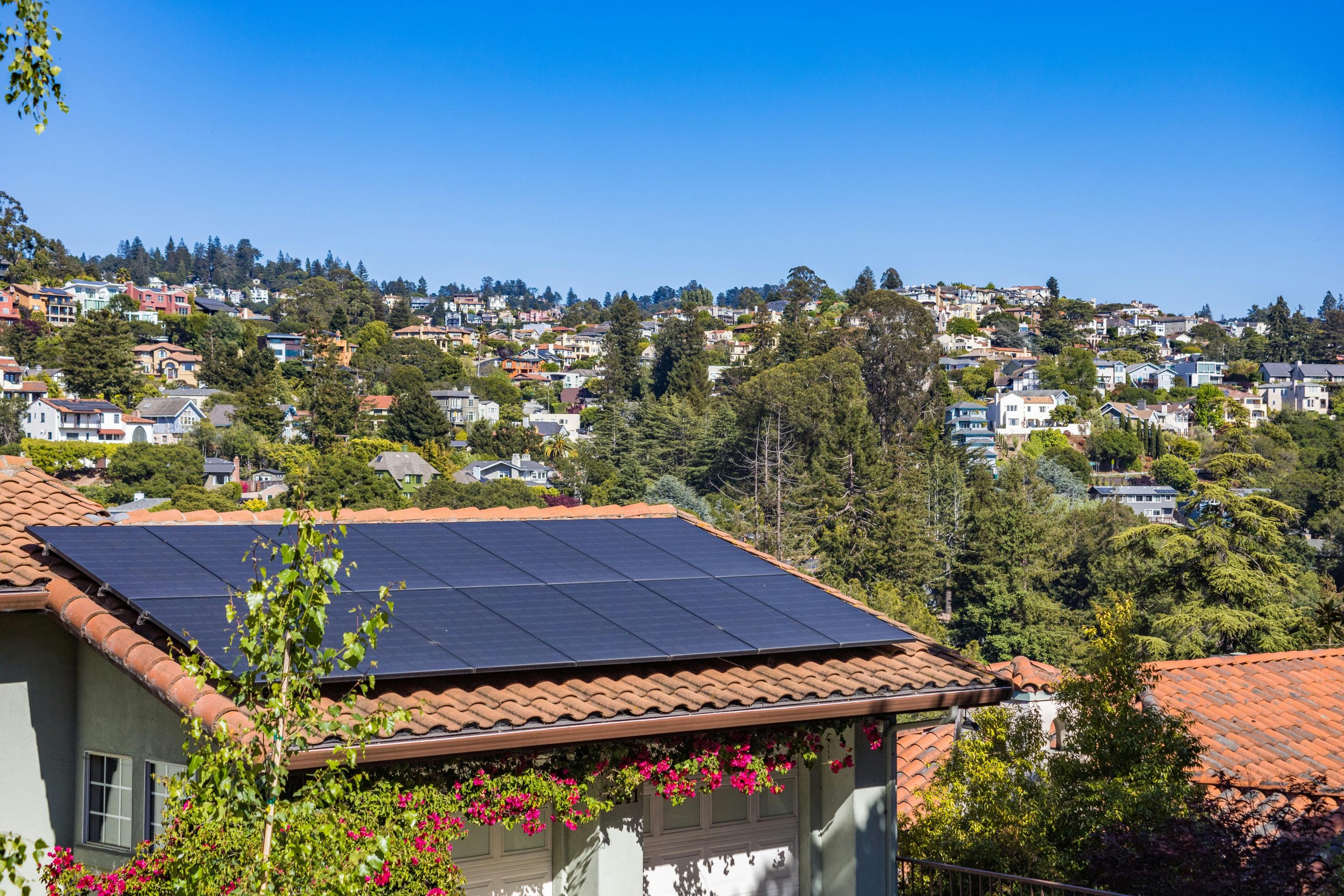
Solar roofing takes sustainability to the next level by generating electricity.
Options include:
- Traditional solar panels
- Solar shingles
- Integrated solar roof systems
Why Solar Roofing Is Sustainable
- Reduces reliance on fossil fuels
- Lowers electricity bills
- May qualify for tax incentives
- Increases home value
Although installation costs can be high, long-term energy savings make solar roofing attractive for many homeowners.
Wood Shingles and Shakes: Renewable Option
Wood roofing can be sustainable if sourced responsibly.
Look for wood certified by organizations that promote responsible forestry.
Wood shingles:
- Provide natural insulation
- Biodegradable at end of life
- Blend beautifully with natural surroundings
However, they require more maintenance and may not be suitable in areas prone to wildfires.
Key Factors to Consider Before Choosing
When comparing sustainable roofing options, it is important to look beyond appearance. The right choice depends on your home’s location, structure, and long-term goals. Here are the key factors to evaluate before making a decision:
- Climate: Your local weather plays a major role in roof performance. In hot climates, reflective or “cool” roofing materials help reduce heat absorption and lower cooling bills. In colder regions, strong insulation and materials that handle snow and ice are essential. Homes in coastal areas may also need corrosion-resistant materials to withstand salt air and humidity.
- Budget: Upfront installation costs can vary widely. While some materials like metal or slate cost more initially, they often last much longer and require fewer replacements. Consider both the short-term expense and the long-term savings on energy and maintenance.
- Lifespan: A longer-lasting roof reduces landfill waste and replacement frequency. Durable materials may cost more upfront but provide better long-term value.
- Maintenance: Some roofs require periodic sealing, cleaning, or part replacement. Choose a material that matches your willingness and ability to maintain it.
- Structural Support: Heavy materials like slate or clay tile may require additional framing reinforcement to safely support the added weight.
Cost Comparison Overview
While prices vary by region, here is a general idea:
- Asphalt shingles: lowest upfront cost
- Recycled shingles: slightly higher than asphalt
- Metal roofing: moderate to high
- Tile roofing: high
- Slate roofing: very high
- Solar roofing: highest upfront cost
Remember, sustainability includes long-term savings, not just installation cost.
Energy Savings and Home Value
Eco-friendly roofing can increase resale value. Many buyers look for energy-efficient features.
Energy-efficient roofing:
- Reduces utility bills
- Improves home comfort
- Enhances curb appeal
- May qualify for rebates
Check federal, state, and local programs for incentives before installing.
Maintenance Tips for Sustainable Roofs
Even eco-friendly roofs need care. While sustainable roofing materials are built for durability and energy efficiency, regular maintenance ensures they continue performing at their best. Simple routine checks can prevent costly repairs and significantly extend the life of your roof.
Basic maintenance includes:
- Annual inspections: Schedule a professional inspection once a year to check for early signs of damage. Inspections help identify small leaks, cracked tiles, loose fasteners, worn sealant, or minor structural concerns before they turn into expensive problems. It is also smart to inspect your roof after severe storms.
- Clearing debris: Remove leaves, branches, and dirt that collect on the roof surface. Debris can trap moisture, which may cause mold growth or material breakdown over time. Trim nearby tree branches to reduce buildup and prevent storm damage.
- Checking for loose materials: Look for lifted shingles, cracked tiles, rust spots on metal panels, or shifting components. Addressing loose or damaged materials quickly prevents water from seeping underneath the roofing system.
- Cleaning gutters: Clear gutters and downspouts at least twice a year. Clogged gutters can cause water to back up onto the roof, increasing the risk of leaks and foundation issues.
- Inspecting flashing: Examine flashing around chimneys, vents, and skylights for gaps or corrosion. Proper sealing prevents water intrusion in vulnerable areas.
Regular maintenance extends lifespan and protects your investment.
Combining Roofing with Other Green Upgrades
To maximize sustainability, pair your new roof with:
- Improved attic insulation
- Proper ventilation systems
- Energy-efficient windows
- Rainwater collection systems
These upgrades work together to improve overall home efficiency.
Final Thoughts: Choosing the Right Sustainable Roof
Sustainable roofing options offer more than environmental benefits. They provide long-term savings, improved durability, and better energy performance.
Whether you choose metal roofing, cool roofing, tile, slate, recycled shingles, green roofs, or solar systems, the right choice depends on your climate, budget, and long-term goals.
A roof is one of the most important investments in your home. Choosing an eco-friendly option helps protect both your property and the environment.
Before making a decision:
- Compare material lifespans
- Evaluate energy efficiency
- Consider maintenance requirements
- Consult a qualified roofing professional
With careful planning, you can select a roofing solution that is stylish, durable, and environmentally responsible for decades to come.
Sustainable roofing is not just a trend. It is a smart, forward-thinking upgrade for modern homes.