Choosing the right roofing material is one of the most important decisions a homeowner can make. Your roof protects your home from weather, improves energy efficiency, and adds to curb appeal. But it also affects installation time, labor costs, and even your home’s structural requirements.
Heavy roofing materials like slate or traditional tile can require extra framing support, more labor, and longer installation times. In contrast, lightweight roofing materials are easier to handle, faster to install, and often more affordable in the long run.
In this guide, we will explore eight lightweight roofing materials that make installation easier and faster. You will learn their benefits, costs, maintenance needs, and how to choose the right one for your home.
Why Choose Lightweight Roofing Materials?
Before diving into specific options, let’s understand why lightweight roofing materials are becoming more popular.
Lightweight roofing offers several key advantages:
- Faster installation – Materials are easier to transport and handle.
- Lower labor costs – Crews can complete jobs more quickly.
- Reduced structural stress – Less weight means less strain on framing.
- Ideal for reroofing projects – Often installed over existing roofing.
- Improved safety during installation – Easier handling reduces risk.
For homeowners upgrading older homes, lightweight materials may eliminate the need for expensive structural reinforcement.
1. Metal Roofing Panels
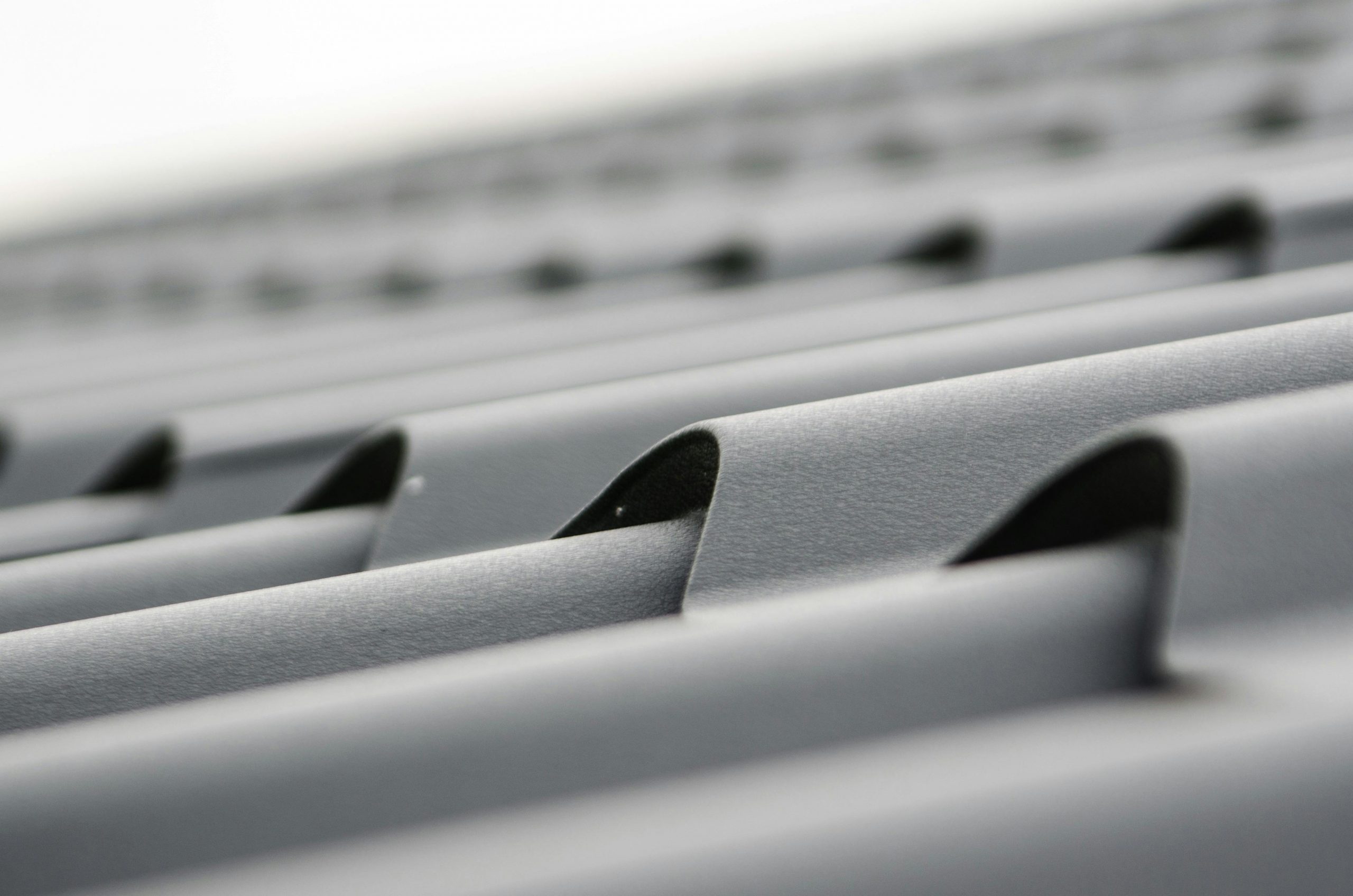
Metal roofing is one of the most popular lightweight roofing materials available today. It weighs significantly less than clay tile or slate but offers exceptional durability.
Why It’s Lightweight and Easy to Install
Metal panels are thin but strong. Large panels cover more area at once, reducing installation time.
Key Benefits:
- Lifespan of 40–70 years
- Fire-resistant
- Reflects sunlight to reduce cooling costs
- Often made from recycled materials
- Can be installed over existing shingles in some cases
Metal roofing is also considered one of the leading sustainable roofing options because it is recyclable and energy-efficient.
While upfront costs may be higher than asphalt shingles, the long lifespan and reduced maintenance make it cost-effective over time.
2. Asphalt Shingles (Architectural)
Architectural asphalt shingles are widely used in residential construction. They are lighter than tile and slate and easier to install.
Installation Advantages:
- Lightweight bundles
- Easy to cut and shape
- Compatible with most roof designs
- No need for structural reinforcement
Additional Benefits:
- Affordable upfront cost
- Available in many colors and styles
- Moderate lifespan (20–30 years)
Asphalt shingles remain a practical option for homeowners seeking affordability and ease of installation.
3. Synthetic Slate Roofing
Traditional slate is beautiful but extremely heavy. Synthetic slate offers the same appearance without the weight.
Made from rubber, plastic, or polymer composites, synthetic slate mimics natural stone while being much lighter.
Why Homeowners Choose It:
- Up to 50% lighter than natural slate
- Easier and faster installation
- Lower structural demands
- Durable and impact-resistant
Synthetic slate combines elegance with practical benefits.
4. Synthetic Shake Roofing
Synthetic shake roofing replicates the look of cedar shakes but weighs much less.
Installation Benefits:
- Lightweight panels
- Faster placement compared to real wood
- Uniform sizing for easier alignment
Performance Advantages:
- Resistant to rot and insects
- Lower maintenance than natural wood
- Long lifespan
This option is ideal for homeowners who love the rustic look without the heavy weight or upkeep.
5. Corrugated Metal Roofing
Corrugated metal panels are thinner and lighter than many traditional roofing materials.
They are often used in modern farmhouse designs and contemporary homes.
Why It Speeds Installation:
- Large sheets cover wide areas
- Fewer seams required
- Easy to secure with fasteners
Corrugated metal is durable, affordable, and suitable for various climates.
6. Rubber Roofing (EPDM)
EPDM rubber roofing is commonly used on flat or low-slope roofs.
It is lightweight and comes in large sheets, which reduces installation time.
Key Benefits:
- Flexible and durable
- Resistant to UV rays
- Low maintenance
- Cost-effective
Rubber roofing is especially popular for additions, garages, and modern flat-roof homes.
7. Polycarbonate Roofing Panels
Polycarbonate panels are lightweight plastic sheets often used for patios, sunrooms, and outdoor structures.
Installation Advantages:
- Extremely lightweight
- Easy to cut and handle
- Quick installation
Additional Features:
- UV-resistant
- Allows natural light
- Weather-resistant
While not common for full residential roofs, they are excellent for outdoor upgrades.
8. Stone-Coated Steel Roofing
Stone-coated steel combines lightweight metal panels with a textured coating that mimics tile or shingles.
Why It’s Popular:
- Lighter than clay or concrete tile
- Durable and impact-resistant
- Faster installation than traditional tile
- Attractive appearance
It offers both strength and visual appeal without excessive weight.
Comparing Installation Speed
Lightweight materials reduce:
- Crew fatigue
- Equipment needs
- Installation days
- Transportation costs
Faster installation means lower labor costs and less disruption to your home life.
Structural Benefits of Lightweight Roofing
Heavy roofing materials can place significant strain on a home’s structural framework, especially in older houses that were not designed to support modern, heavier products like clay tile or natural slate. Over time, excessive weight can stress rafters, trusses, and support beams. This added pressure may lead to sagging rooflines, cracks in interior walls, or costly structural repairs.
Lightweight roofing materials offer a safer and more practical alternative. Because they weigh much less per square foot, they reduce the overall load placed on your home’s framing system. This brings several important structural advantages:
- Reduce long-term stress on beams: Lighter materials decrease constant downward pressure on rafters and trusses. This helps preserve the structural integrity of your home over time.
- Lower risk of sagging: Roof sagging often happens when framing weakens under excessive weight. Choosing a lighter roofing system helps maintain a straight, stable roofline.
- Minimize the need for reinforcement: Heavy materials may require additional framing support before installation. Lightweight options often eliminate this extra step, saving time and money.
- Improve overall structural safety: Reduced load lowers the risk of structural failure during extreme weather events like heavy snow or storms.
These benefits make lightweight roofing materials especially ideal for renovations, reroofing projects, and older homes where preserving structural strength is a top priority.
Energy Efficiency Considerations
Many lightweight materials also improve energy performance.
Metal roofing and reflective shingles can:
- Reflect sunlight
- Reduce attic heat buildup
- Lower air conditioning costs
When paired with proper insulation and ventilation, these materials help maintain comfortable indoor temperatures year-round.
Cost Overview
Costs vary by material, but lightweight options often reduce labor expenses due to faster installation.
While some materials cost more upfront, long-term savings from durability and energy efficiency can offset the initial investment.
Always compare:
- Material cost per square foot
- Installation cost
- Lifespan
- Maintenance needs
How to Choose the Right Option
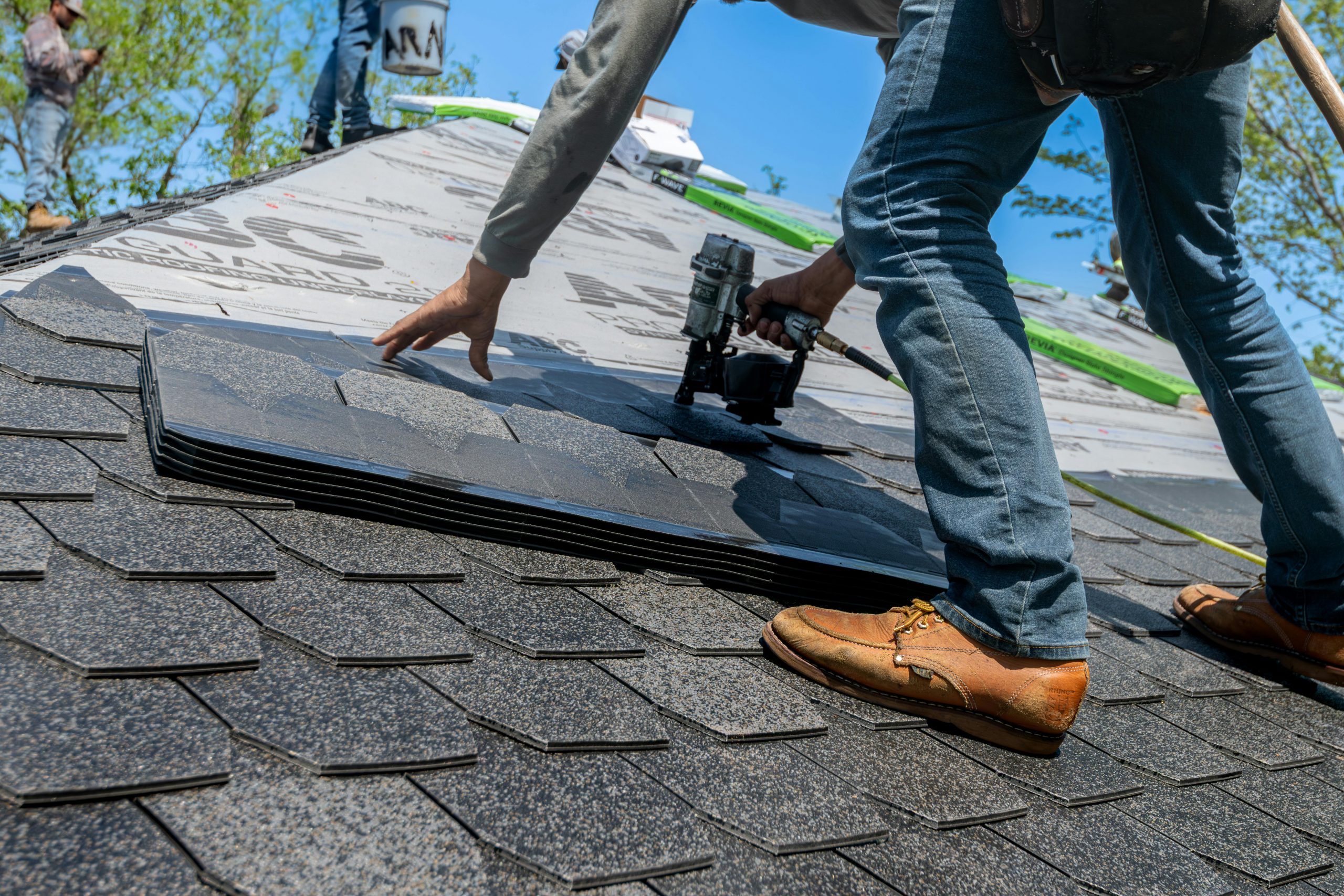
When selecting lightweight roofing materials, it’s important to look at more than just appearance. The right choice should match your home’s structure, your climate, and your long-term plans. Taking time to evaluate these factors will help you avoid costly mistakes and ensure your roof performs well for decades.
Climate: Your local weather conditions play a major role in roofing performance. In hot climates, reflective materials like metal roofing or light-colored shingles can reduce heat absorption and lower cooling costs. In areas with heavy snow, you’ll want materials that shed snow easily and resist moisture buildup. Coastal regions may require corrosion-resistant materials to handle salt air and humidity. Always choose a material designed to perform well in your specific environment.
Budget: Lightweight roofing materials vary in price. Some options, like architectural shingles, are more affordable upfront. Others, like stone-coated steel or synthetic slate, may cost more initially but last longer and require less maintenance. Consider both installation costs and long-term savings when making your decision.
Home Style: Your roof should complement your home’s architectural design. Modern homes may look best with sleek metal panels, while traditional homes might suit shingles or synthetic shake. Choosing a style that enhances curb appeal can also increase property value.
Roof Slope: Certain materials work better on specific roof pitches. For example, rubber membranes are ideal for low-slope roofs, while shingles and metal panels work well on steeper designs.
Long-Term Goals: Think about how long you plan to stay in your home and whether energy efficiency or resale value is important.
Consult a licensed roofing contractor to evaluate your home’s structure and recommend the best option.
Final Thoughts
Lightweight roofing materials offer a smart solution for modern homeowners. They simplify installation, reduce structural stress, and often improve energy efficiency.
From metal panels and architectural shingles to synthetic slate and rubber membranes, there are many options to suit different budgets and design preferences.
By choosing the right material, you can enjoy a durable, efficient, and visually appealing roof without the added weight and installation challenges of traditional roofing systems.
If you are planning a roof replacement or home upgrade, consider how lightweight materials can save time, money, and long-term maintenance costs.
A lighter roof does not mean weaker protection. In fact, today’s lightweight roofing materials are engineered for strength, durability, and modern performance.