One crucial aspect of home maintenance is ensuring that your roof is in optimal condition. A roof replacement is a significant investment, and it’s vital to determine the right time to undertake such a project. Understanding the signs of wear and potential damage can guide homeowners towards making informed decisions regarding their roofs.
Recognizing the Signs of Roof Deterioration
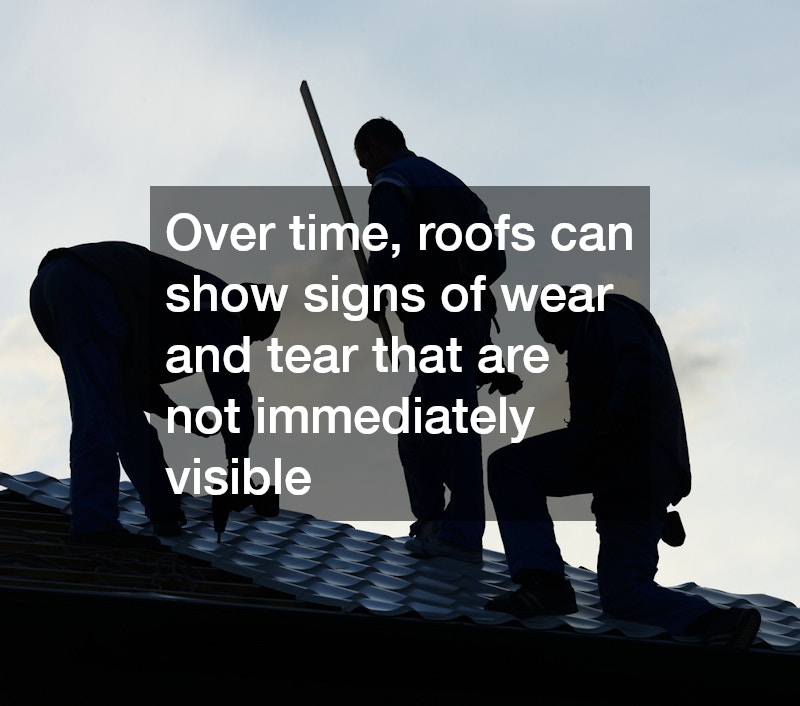
Over time, roofs can show signs of wear and tear that are not immediately visible. Identifying these signs early can prevent further damage and costly repairs down the line. One common indicator that a roof may need replacement is the presence of cracked, curled, or missing shingles. These problems can compromise the roof’s integrity, potentially leading to water leaks and poor insulation.
Also, consider looking at the roof flashing, which is meant to protect the roof’s most vulnerable points, such as around the chimney or where the roof meets a wall. Any erosion or visible damage to the flashing should not be overlooked. Repairing or replacing the flashing can sometimes stave off a full roof replacement if caught early, but extensive damage often necessitates a new roof installation.
The Impact of Climate on Roof Longevity
Climate plays a significant role in determining the lifespan of your roof. In areas prone to severe weather conditions, such as heavy snowfall, rain, or extreme heat, roofs tend to deteriorate faster. For homes in such climates, regular roof inspections are critical to assess potential damage caused by weather extremes. Regular maintenance can extend a roof’s lifespan, but a full replacement may eventually be necessary if the existing roof can no longer withstand the climate’s demands.
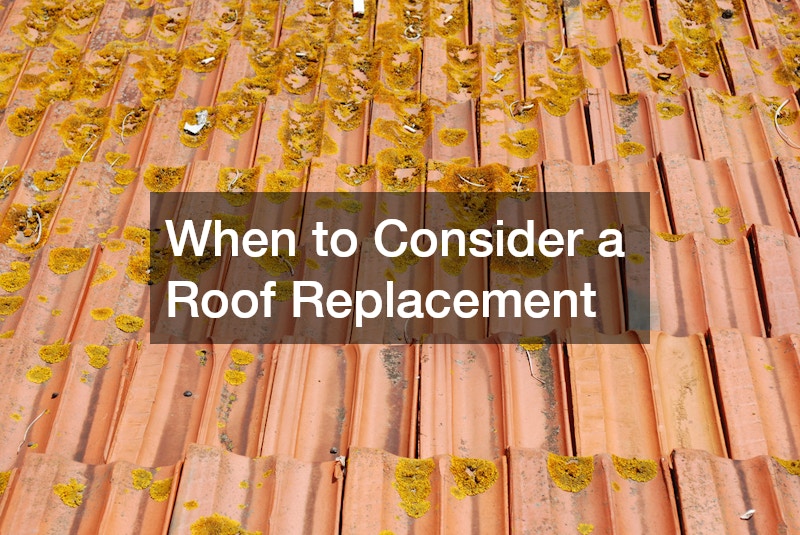
In regions with high humidity, roofs may suffer from mold, algae, and moss growth, which can severely impact structural integrity. Roofs that have not been treated with anti-fungal and anti-algae protection will tend to degrade more quickly. If your roof has extensive growth of moss or algae that can’t be treated with standard cleaning, you might consider a roof replacement to prevent further complications.
Furthermore, fluctuating temperatures can cause roofing materials to expand and contract, leading to cracks and weakening. This is particularly common in regions where temperatures vary significantly between seasons. Over time, these constant changes compromise the quality of the roofing material, hastening the need for a replacement.
Weighing the Costs and Benefits of a Roof Replacement
Evaluating the financial aspect of roof replacement is crucial. While a new roof is undoubtedly a significant expense, the benefits often outweigh the initial costs. A roof replacement can improve energy efficiency, offering savings on utility bills. New roofing materials typically provide superior insulation compared to older roofs, which can lead to reduced heating and cooling costs over time.
Moreover, a new roof can greatly enhance the aesthetic appeal and value of your home. This is particularly important if you are considering selling your property in the near future. Potential buyers are often willing to pay a premium for homes with recently replaced roofs, as it signifies reduced risk of immediate repair needs.
Additionally, modern roofing materials are designed to be more durable and require less maintenance than older counterparts. Investing in a roof replacement now can decrease long-term maintenance costs and save you money in the future. It’s essential to consider the long-term financial implications of continuing to repair an aging roof when a replacement might ultimately be more cost-effective.
Considering Energy Efficiency and Modern Materials
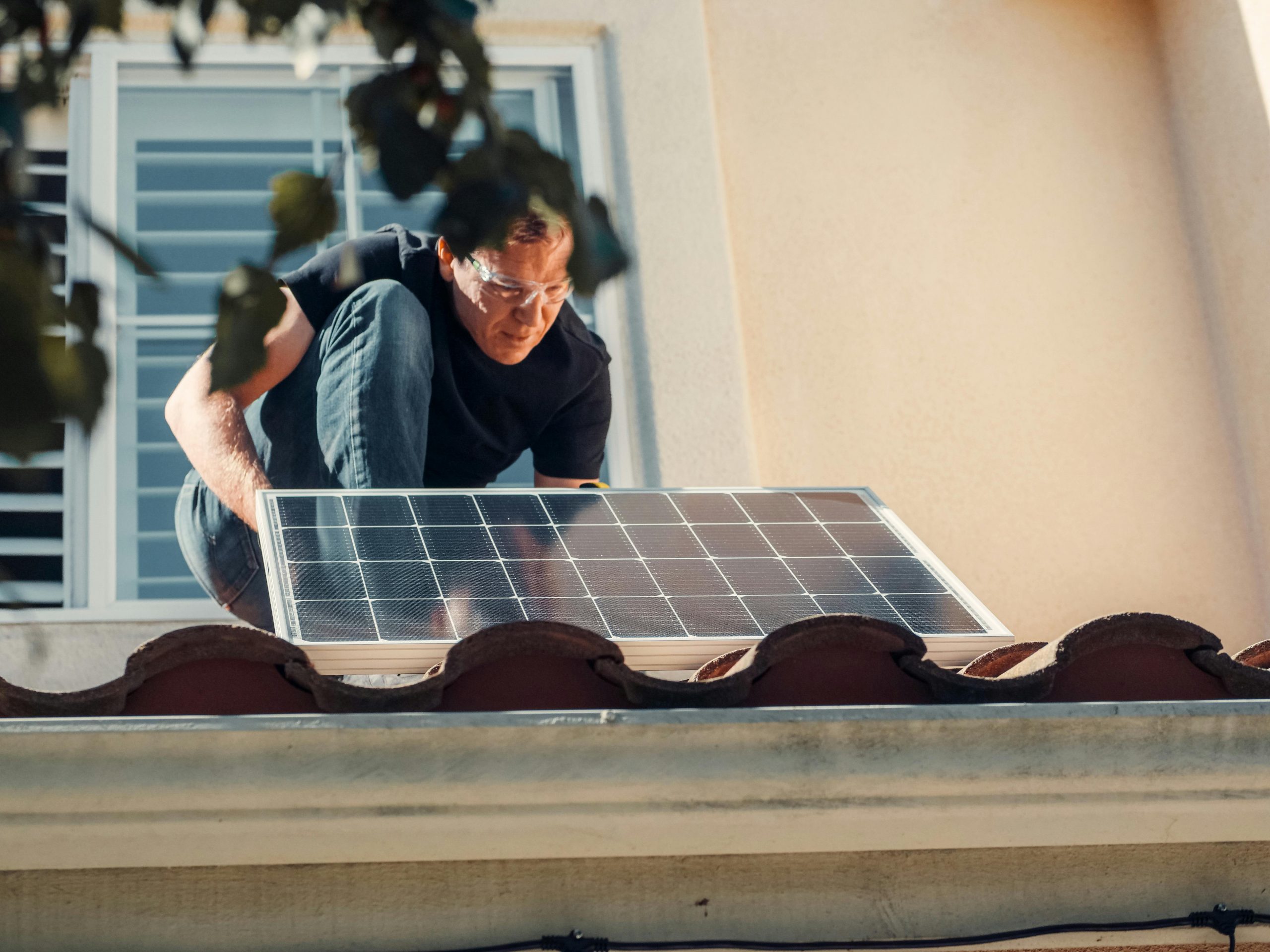
Technological advances in roofing materials have made energy efficiency an achievable goal in modern roof replacements. Options such as cool roofing, which reflects more sunlight and absorbs less heat, can dramatically improve a home’s energy consumption. Replacing your roof with energy-efficient materials not only optimizes internal climate control but can also make you eligible for certain rebates or tax incentives.
Similarly, synthetic shingles made from rubber or plastic, or even sustainable materials like wood shingles and shakes, can provide enhanced durability and aesthetic qualities. The choice of material can impact both the immediate cost of a roof replacement and its longevity. Regardless of the material selected, ensuring professional installation is key to reaping the long-term benefits.
When to Seek Professional Advice
Deciding when to replace your roof can be daunting, and seeking professional advice is always recommended. Roofing experts can provide an impartial assessment of the roof’s current state, detailing the necessary repairs or confirming the need for a full replacement. This professional evaluation can alleviate doubt and ensure that the roof is handled appropriately and efficiently.
Engaging with a reputable roofing contractor allows for an exploration of the best materials and methods, tailored to your specific needs and local climate. Professionals can also provide insights into innovative roofing solutions, helping you to select energy-efficient options and materials that align with sustainability goals.
Finally, any professional guidance should include a comprehensive estimate, helping you budget for the roof replacement and compare costs against potential long-term savings. The clarity provided by a professional can support well-informed decisions, ensuring your home remains safe and structurally sound for years to come.